





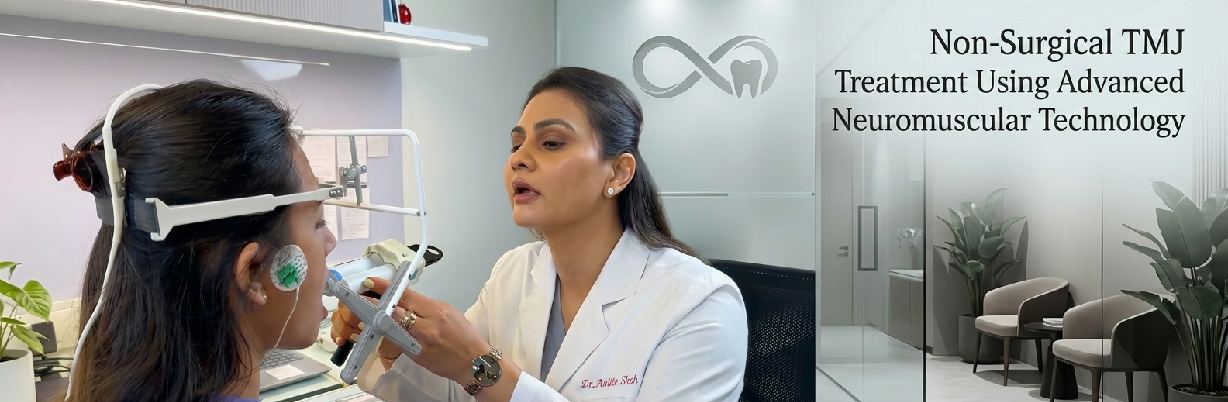
As a TMJ Expert and airway-focused dentist, Dr. Ankita Shah frequently treats TMJ patients who continue experiencing jaw pain, headaches, and muscle tension despite using night guards and pain medications for years. Advanced muscle stimulation technology offers a more precise gnatho neuromuscular approach by evaluating muscle function, jaw movement, and physiologic jaw positioning more accurately.
Advanced Gnatho neuromuscular technology allows more objective analysis of jaw muscle function, bite stability, and mandibular movement compared to traditional symptom-based TMJ treatment approaches.
Traditional TMJ treatments often focus on managing symptoms instead of identifying the underlying muscle imbalance affecting jaw function. Many approaches rely on visual bite assessment rather than objective muscle measurements and functional jaw analysis.
While night guards may help protect the teeth from grinding, they may not fully address overactive jaw muscles, bite instability, muscle tension and physiologic jaw imbalance.
As a result, many patients continue experiencing:
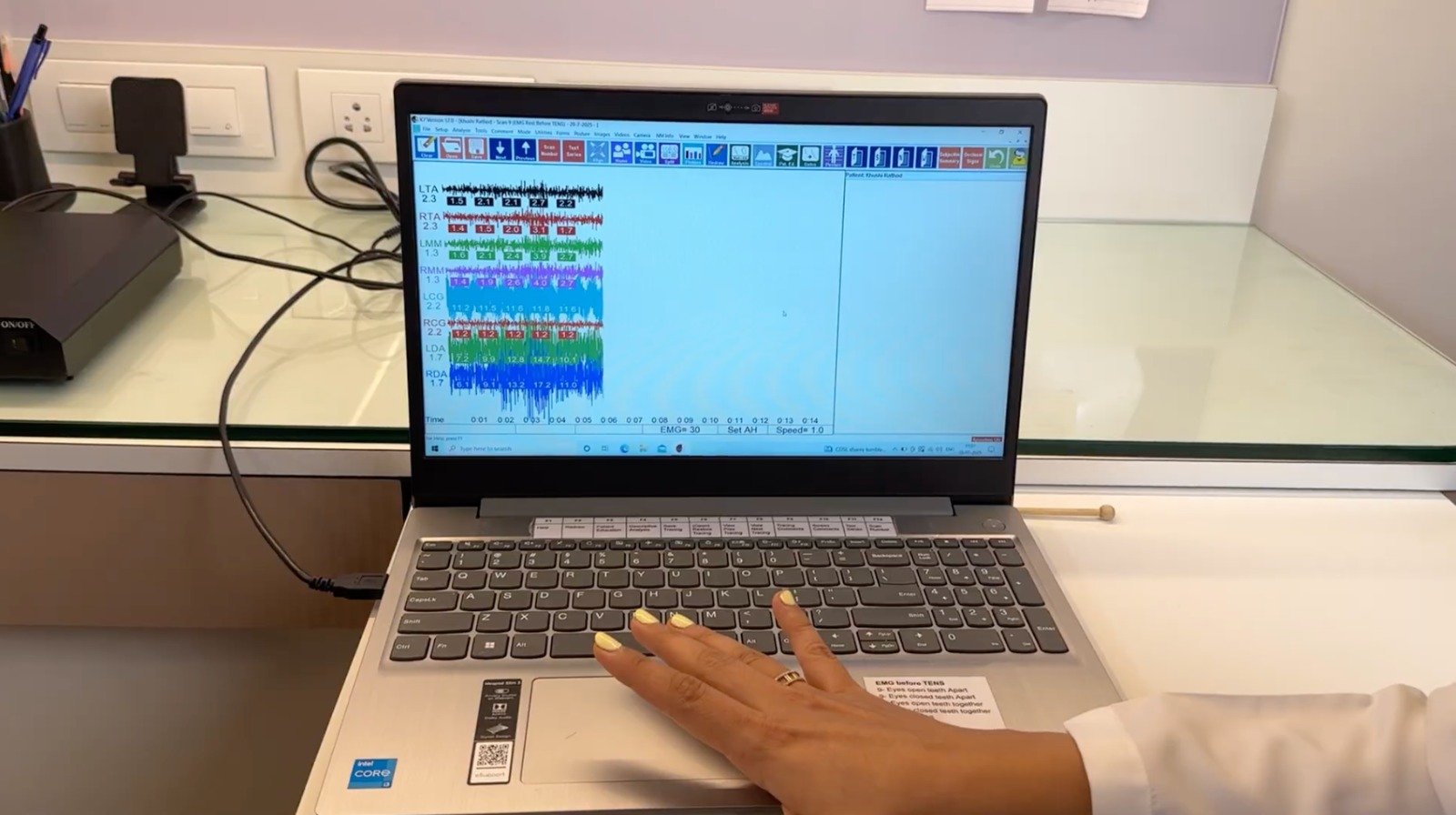
Advanced muscle stimulation with “Gnatho Neuromuscular” technology combines TMJ Physiotherapy, TMJ Myofunctional Therapy, EMG analysis, ultra-low frequency TENS stimulation, and digital jaw tracking to evaluate jaw muscle function and physiologic jaw positioning with greater precision. This approach uses three integrated diagnostic systems:
This advanced GNM technology uses three diagnostic systems working together:
TMJ physiotherapy is a non-surgical treatment approach that helps reduce jaw pain, improve jaw movement, and restore normal function of the temporomandibular joint (TMJ).
It typically includes targeted exercises, manual therapy, posture correction, and muscle relaxation techniques to address joint stiffness, muscle tension, and movement dysfunction.
TMJ physiotherapy can be highly effective for individuals experiencing jaw pain, clicking, limited mouth opening, headaches, or discomfort while chewing and speaking.
TMJ Myofunctional Therapy focuses on retraining the tongue, lips, facial muscles, swallowing patterns, and breathing habits that directly influence jaw position, airway function, and long-term
TMJ stability. Poor tongue posture, mouth breathing, and incorrect swallowing patterns are often overlooked contributors to TMJ dysfunction, muscle imbalance, and recurring symptoms.
As a TMJ expert and airway-focused dentist, Dr. Ankita integrates Myofunctional Therapy as a key component of TMJ treatment to address these underlying functional issues. By correcting these habits, the therapy helps support structural corrections, improve muscle coordination, and reduce the risk of symptom relapse.
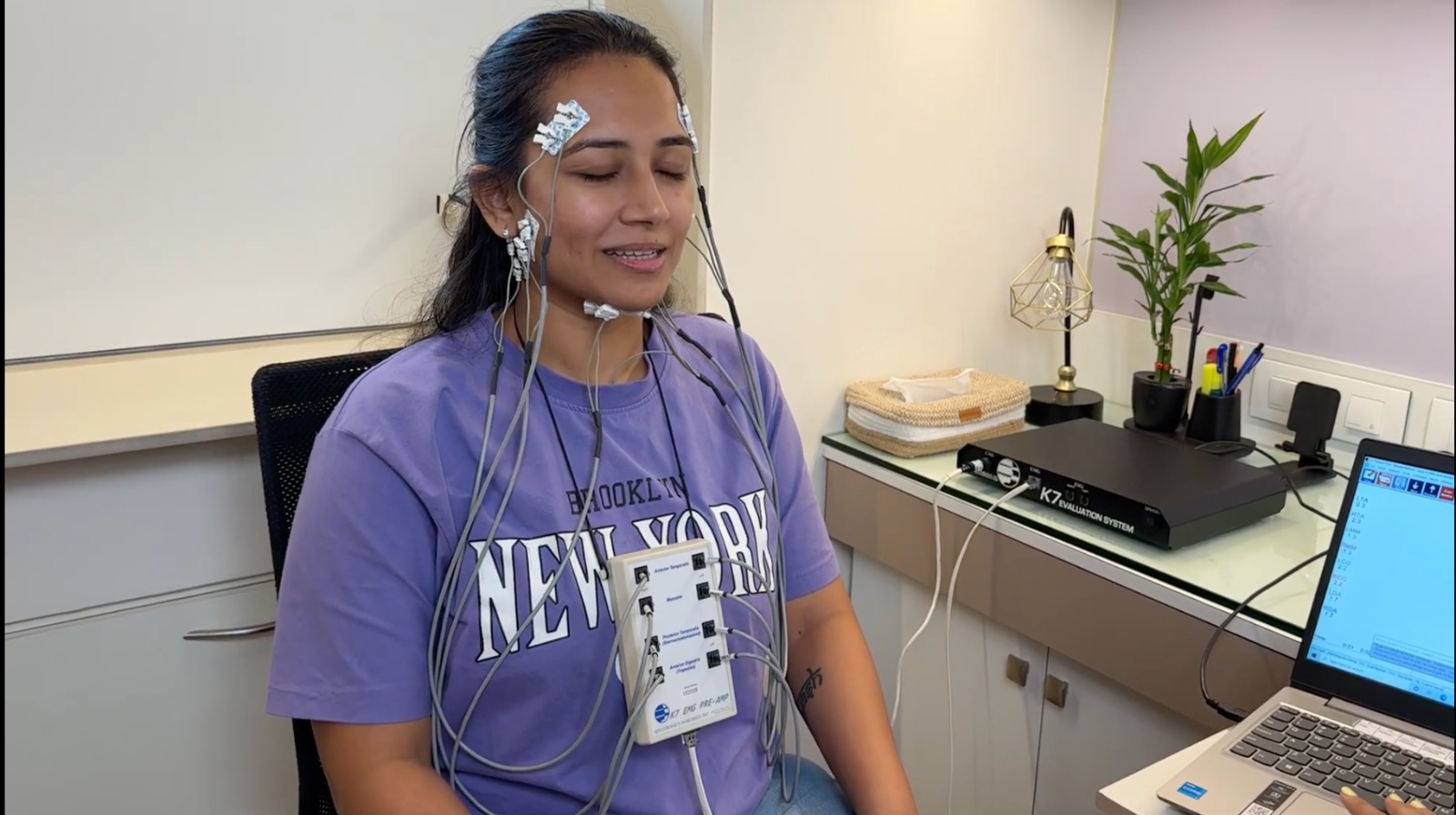
Surface EMG (Electromyography) is one of the most important diagnostic tools in Dr. Ankita’s gnatho neuromuscular TMJ treatment protocol. Unlike traditional TMJ assessments that rely on visual examination and patient-reported symptoms, EMG technology provides objective, real-time measurements of jaw muscle activity — removing guesswork from diagnosis.
Small, non-invasive surface sensors are placed over key jaw and neck muscles to measure electrical activity during rest, clenching, chewing, and movement. This helps identify exactly which muscles are overworking, compensating, or functioning asymmetrically — patterns that are often invisible to the naked eye but are directly responsible for chronic TMJ pain, headaches, and jaw dysfunction.
Without EMG, two patients with identical symptoms may receive the same generic treatment — despite having entirely different underlying muscle patterns. EMG allows Dr. Ankita to identify each patient’s unique neuromuscular profile and design a truly personalized treatment plan.
By measuring muscle activity before, during, and after treatment, EMG also helps track treatment progress objectively — confirming whether muscles are relaxing, rebalancing, and responding to therapy as expected.
This helps evaluate:
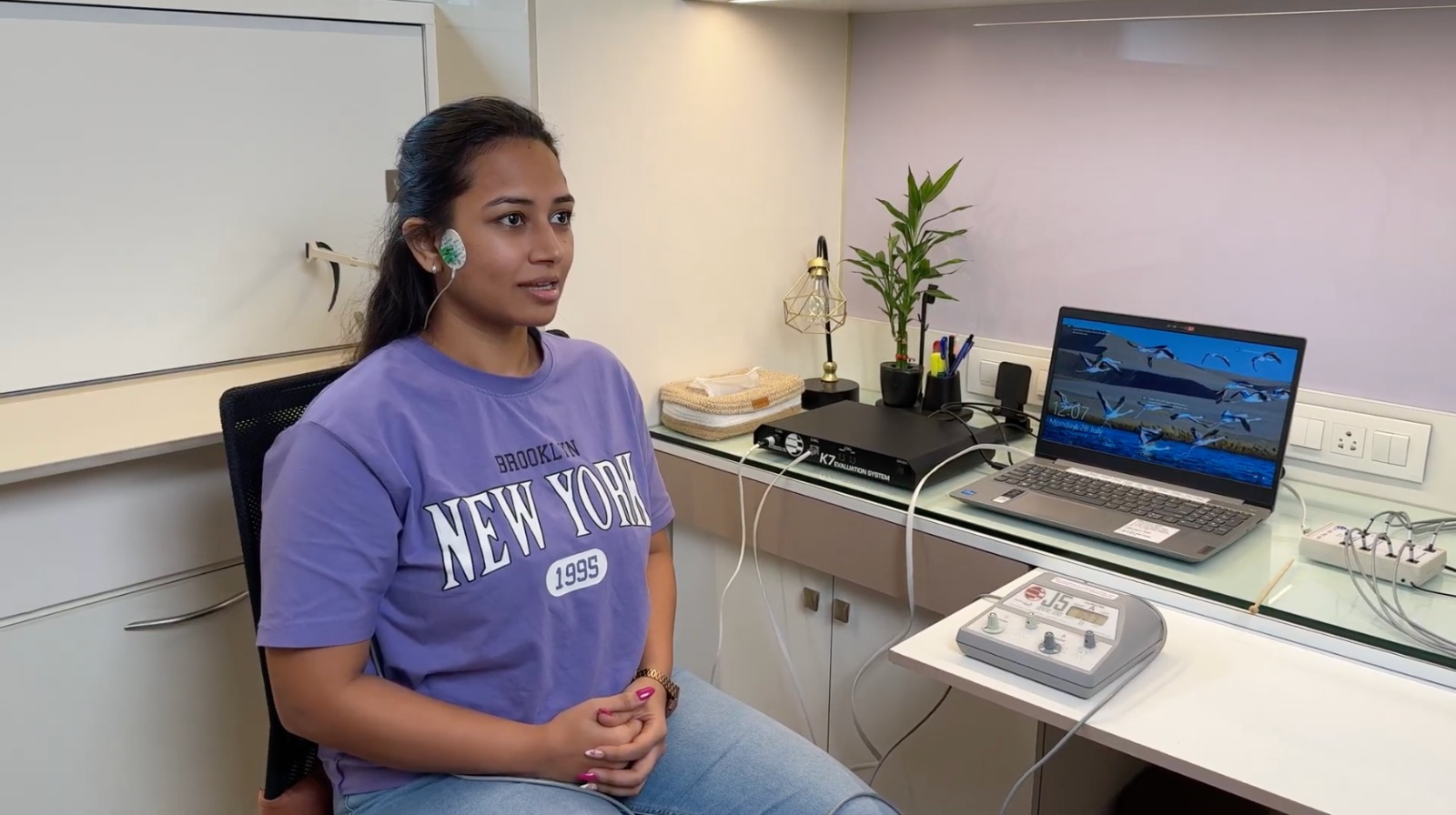
Ultra-low frequency TENS helps relax overactive jaw muscles and reduce abnormal muscle tension. As the muscles relax, the jaw is able to settle into a more balanced physiologic resting position naturally.
This helps:
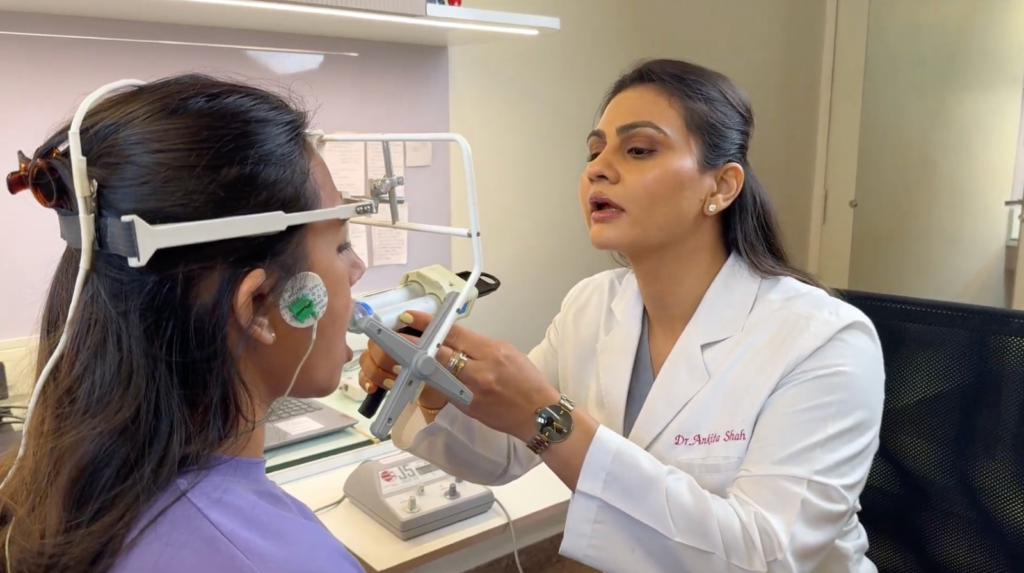
Digital jaw tracking technology records mandibular movement and analyzes how the jaw functions during opening, closing, chewing, and movement.
This helps evaluate:
TMJ Physiotherapy, TMJ Myofunctional Therapy, EMG analysis, ultra-low frequency TENS, and digital jaw tracking using an advanced gnatho neuromuscular TMJ technology allows a more precise and personalized non-surgical TMJ treatment approach.
| Traditional TMJ Treatment | Advanced GNM Technology |
| Focuses mainly on symptom relief | Focuses on full body approach, underlying muscle imbalance and jaw function |
| Relies on visual bite assessment | Uses EMG analysis and digital jaw tracking |
| Generic splints and night guards | Custom physiologic orthotic therapy & bite correction |
| Limited functional jaw analysis | Objective neuromuscular measurements |
Dr. Ankita treats the Structural Foundation of your body- aligning your airway, jaw, and posture for permanent relief. Most treatments fail because they treat the jaw in isolation. At our center, we understand that your nervous system, breathing, posture, tongue and jaw are the structural pivots of your entire body.
A restricted airway or misaligned jaw forces your nervous system into a permanent “Fight or Flight” state; the hidden driver behind chronic fatigue, anxiety, and unexplained pain. We don’t just give you a night guard; we reset your entire system to its natural state of balance.
We move beyond looking at just your teeth. Using K7 Jaw Tracking and advanced Airway Analysis, we map your posture, muscles and stress levels to find the exact biological root of your pain.
We guide your body back to its “Happy Zone.” Whether through custom GNM Orthotics or The Zaghi Protocol (Functional Frenuloplasty) or MsARPE Jaw Expander we physically open your airway and stabilize your jaw.
A release is only half the battle. Through Myofunctional Therapy, specialized Physiotherapy and Nervous System Regulation Therapies we retrain your body and muscles to breathe and rest correctly forever, addressing the functional root cause to prevent relapse for life.The non-surgical TMJ treatment protocol uses advanced gnatho neuromuscular technology to evaluate jaw muscle function, analyze jaw movement, and identify a more balanced physiologic jaw position and body posture.
Initial neuromuscular assessment is performed using EMG and diagnostic TENS to support treatment planning.
Digital jaw tracking is performed to assess jaw movement and functional bite patterns.
A personalized GNM orthotic is designed based on the patient’s neuromuscular assessment findings.
Focuses on orthotic fitting along with guidance on jaw posture, relaxation habits, and myofunctional rehabilitation to support long-term stability.
Mumbai’s fast-paced lifestyle, long working hours, stress, and screen-heavy routines can contribute to chronic jaw tension and TMJ dysfunction.
This technology-driven approach helps evaluate jaw function more objectively and supports long-term muscle balance and jaw stability.
Proper home care plays an important role in maintaining muscle balance and supporting long-term TMJ stability after neuromuscular treatment.
Patients are typically advised to wear their custom physiologic orthotic for the recommended duration each day to help maintain the jaw’s balanced position and reduce muscle strain.
These habits help support jaw muscle relaxation, bite stability, improved posture, reduced TMJ strain and long-term treatment maintenance.
Consistent orthotic use, posture correction, breathing exercises, and jaw relaxation habits help maintain muscle balance and support long-term TMJ treatment results.
Dr. Ankita Shah is a TMJ Expert and airway-focused orthodontist specializing in advanced gnatho neuromuscular TMJ diagnosis and non-surgical jaw pain treatment.
Advanced neuromuscular TMJ technology uses objective muscle analysis, ultra-low frequency TENS, and digital jaw tracking to evaluate jaw function more precisely. Unlike traditional approaches that rely mainly on visual bite assessment, this technology helps identify muscle imbalance and physiologic jaw positioning more accurately.
No. EMG sensors feel similar to small adhesive stickers, while ultra-low frequency TENS produces a gentle pulsing sensation. Most patients describe the sessions as relaxing and comfortable.
Most patients complete the initial Gnatho neuromuscular TMJ diagnostic and treatment protocol over approximately 2 sessions within 1 week. The exact treatment timeline may vary depending on the severity of TMJ dysfunction, muscle imbalance, jaw instability, and individual treatment response.
Some corporate health insurance plans may provide partial coverage for TMJ orthotics and neuromuscular therapy. Coverage varies depending on the insurance provider and policy details.
Many patients report improvement in symptoms such as jaw pain, headaches, jaw clicking, muscle tension, and chewing comfort after completing gnatho neuromuscular TMJ treatment and following their home care protocol consistently.
WhatsApp us
Let Us Know How Can We Help You!
At our institute, we take pride in providing complete care for issues related to tongue tie and TMJ. To enhance your quality of life, we treat a range of ailments with state-of-the-art technology and expert care. If you’re searching for an effective tongue-tie operation option or a TMJ specialist in India, you have arrived at the right place.
A tongue tie operation or tongue tie surgery is a life-changing procedure that not only restores tongue mobility but also has a full body effect. While most people associate tongue tie with breastfeeding difficulties in infants, it can also affect speech, breathing, posture, dental health, and sleep patterns in older children and adults. By undergoing this minimally invasive fascia release procedure, patients often experience immediate improvements in functionality and overall well-being.
For individuals considering tongue tie surgery, the benefits are far-reaching:
The Temporomandibular Joint (TMJ) that is your Jaw Joint has a significant impact on one’s quality of life, as they leave the person feeling exhausted and irritable. It not only affects essential functions like chewing, speaking, yawning but also affects one’s posture, breathing and sleep. As a leading TMJ specialist in Mumbai, we offer comprehensive diagnostics and personalized treatment plans to address your unique needs.
Our approach to TMJ disorders combines state-of-the-art technology with evidence-based practices. We specialize in:
Many patients are unaware that tongue tie and TMJ disorders can also be interconnected. A restricted tongue can lead to compensatory behaviors that strain the jaw, progressing towards TMJ issues.
For newborns, a tongue tie operation is critical in supporting breastfeeding. Infants struggling to latch or feed effectively benefit greatly from a quick and safe procedure.
Adults often seek tongue tie operations for relief from symptoms such as speech impediments, TMJ pain, or even snoring. Combining tongue tie surgery with myofunctional therapy ensures optimal results.
An integral part of our treatment protocols is myofunctional therapy. Exercises used in this therapy help to strengthen and coordinate the muscles of the tongue and face. Whether you’re undergoing a tongue tie operation or being treated for TMJ issues, myofunctional therapy plays a pivotal role in ensuring lasting outcomes. Expertise and complete treatment are essential for treating TMJ issues or tongue tie. Whether you’re searching for the best tongue tie surgery options or a trusted TMJ specialist in Mumbai, we ensure personalized care and transformative results. Don’t let these conditions stop you—reach out to us today to book your consultation and start your journey toward better health and wellness.