


Mouth breathing Treatment
“Mouth Breathing Therapy And Remedies For Mouth Breathing”
Mouth Breathing
Treatment For Adults

WHAT IS MOUTH BREATHING?
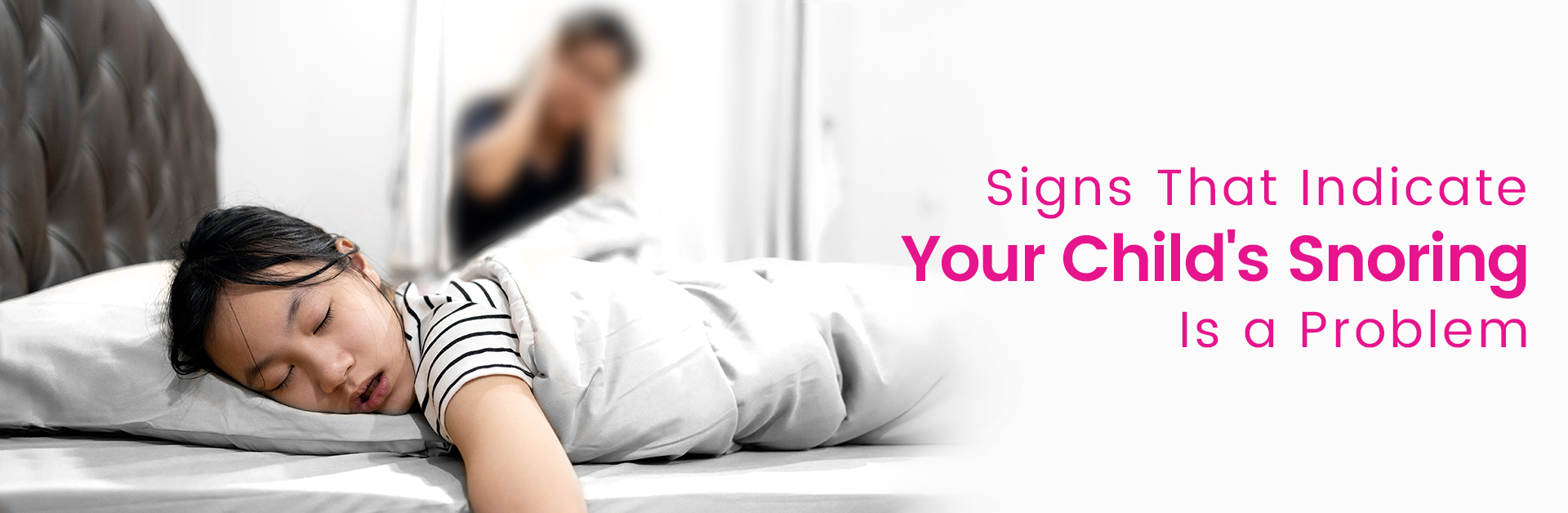
Mouth Breathing means simply breathing through the mouth keeping their lips open more than 90% of the time through the day or while sleeping as they cannot breathe through their noses. It doesn’t necessarily have to be panting. They could be partial or complete mouth breathers.
WHAT CAUSES MOUTH BREATHING?
Mouth breathing can be caused due to various reasons:
- Nasal obstructions like septum deviations(DNS)
- Inflamed turbinates
- Inflamed tonsils and adenoids
- Narrow and deep palate
- Elongated soft palate
- Backwardly positioned/ Retruded jaws
- Tongue tie
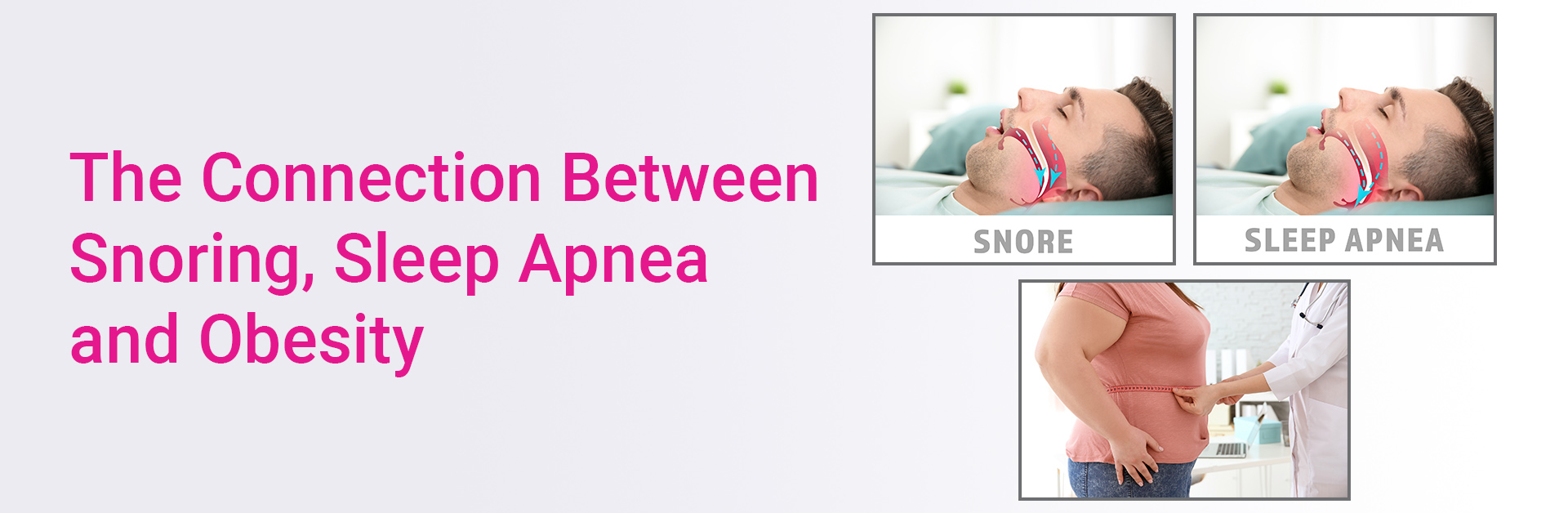
- Obesity
- Forward Neck Posture
WHAT HAPPENS WHEN MOUTH BREATHING IS LEFT
UNTREATED?
- MOUTH BREATHING
- NOISY BREATHING
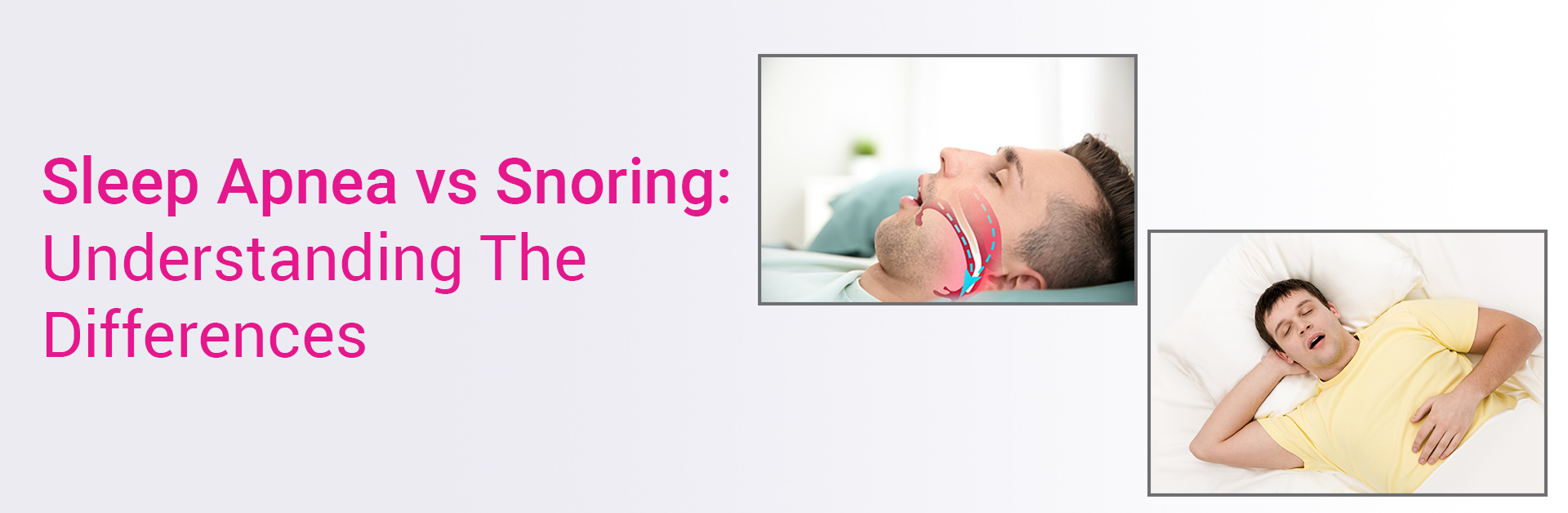
- SNORING
- SLEEP APNEA
with Anxiety, Frequent Nasal Congestion, Blood Pressure, Fatigue
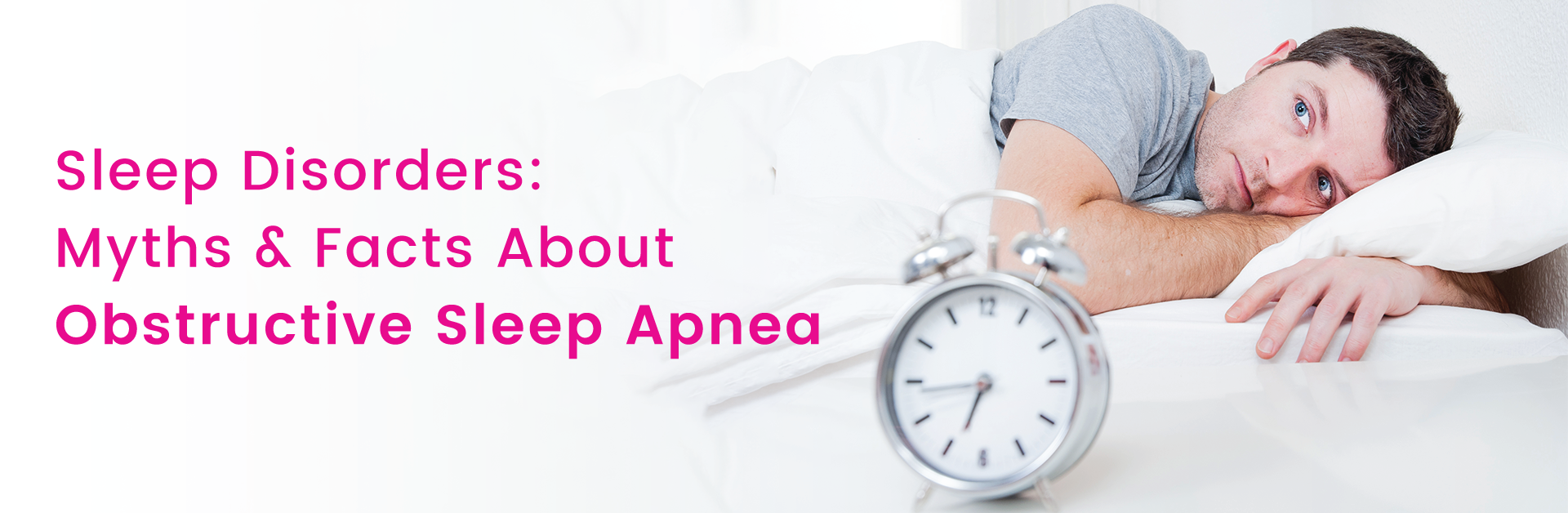
When left untreated, mouth breathing affects the everyday life of the patient and may even cause sleep disorders such as sleep apnea. Sleep apnea is characterised cessation of breath which may be due to partial or complete obstruction of the respiratory tract.
DO NOT IGNORE YOUR MOUTH BREATHING!
- Observe for restless sleep i.e. tossing in bed
- Abnormal sleep positions
- Poor Quality of Sleep
- Frequent Tonsils and Adenoids
- Frequent cold, cough and allergies
- Deep and narrow upper jaw
- Retruded lower jaw
- Crowded teeth
- Bruxism i.e. clenching
- Lack of attention and concentration
- Diagnosed as ADHD
- Moody or bullying behavior
- Hyperactivity
- Irritability
- Bedwetting
- Childhood obesity
- Delayed growth & or doesn’t match the ideal height and weight for the age
- Fatigue
- Daytime sleepiness
- Difficulty waking up in the morning
- Poor performance in sports or on the job
- Anxiety and Depression
- Increased clumsiness
- Falling asleep during work
- Risk of serious accidents and injuries
- Poor Concentration and attention
- Low Energy levels
- Decreased ability to retain information
- Irritability and Moodiness
- Headaches
- Loss of Libido
- Tiredness even after sleeping for 7-8hrs
It should be noted that chronic Mouth breathing might result in long-term consequences, leading to sleep disorders, a high risk of developing high blood pressure, diabetes, heart failure, inability to perform well academically, concentration issues and poor growth and even early mortality.
ARE YOU SUFFERING FROM MOUTH BREATHING?
WHAT ARE THE VARIOUS MOUTH BREATHING TREATMENTS?
1] Medications, Breath Work & Breath Retraining:
2] Airway Orthodontics:
3] Myofunctional Therapy:
4] Surgery:
Frequently Asked Questions
To learn if your child has a mouth breathing issue, you can use the three methods test. These three methods will help you identify if you or your child have mouth breathing habits.
In simple terms, nasal breathing is when you inhale and exhale through your nose. Whereas, mouth breathing refers to the inhaling or exhaling process through the mouth. Nasal breathing offers several health benefits compared to mouth breathing. When you breathe through your nose, the nose filters, heats, and humidifies the air entering through it. In this process, foreign particles such as allergens and microbes are also prevented from entering our bodies. On the other hand, when you breathe through your mouth, everything that you inhale moves straight into the lungs. Mouth breathing puts you at a higher risk of catching infections compared to nasal breathing.
You can improve your nasal breathing by making certain lifestyle changes. Some of these lifestyle changes may include,
- Use a humidifier in your house and workspace to keep your nasal passages moist and also prevent them from drying
- Drinking plenty of water and other fluids to stay hydrated, as well as keep your nasal passages moist
- Avoid smoking
- Avoid coming in contact with irritants that can irritate your nasal passages, such as dust, fumes, secondhand smoke, etc.
- Practise breathing exercises
- Managing your stress effectively through meditation, yoga, relaxation techniques, etc
- Use saline mists and nasal decongestants to treat cold
- Keep your homes and work spaces clean and dust-free
- Install air filters in your homes and work spaces to avoid allergies
- Sleep on your back and keep your head elevated; this will help in opening the airway passages and improve nasal breathing
If mouth breathing is ignored and left untreated for a long time, it can cause adverse effects on your and your child’s health. Some of the health problems that may arise due to untreated mouth breathing may include,
- Sleep disorders such as sleep apnea
- Oral health issues such as gingivitis, tooth decay, and dry mouth
- Orthodontic problems such as poor development of the jaws
- High blood pressure
- Allergies
- Speech issues like thrusting the tongue forwards
- Snoring
If you observe that lips are staying apart throughout the day or when asleep, then it may be an indication that they have a mouth breathing problem. Some other symptoms to watch out for, include the following,
- Dry mouth
- Need to frequently drink water
- Brain fog or concentration issues
- Teeth grinding while sleeping
No, you may not always need surgery to treat mouth breathing. Depending on the underlying cause of mouth breathing, there are various treatment options available to treat it. If you or your child are experiencing mouth breathing, speak to a mouth breathing specialist for a proper diagnosis of your problem.