



SLEEP DISORDERS
Obstructive sleep apnea treatment/ UARS & TMD
OSA
UARS
SLEEP, ANXIETY, AND BREATH ARE THE HOLY TRINITY. IMBALANCES IN ANYONE CAN DEEPLY IMPACT ONE’S WELLBEING.
WHAT ARE SLEEP DISORDERS?
Sleep disordered breathing (SDB) is an Umbrella term consisting of a wide range of sleep-related breathing disorders and abnormalities during sleep that may not meet the criteria for a specific disorder. Sleep disorders can be categorized depending on various factors such as behaviors, issues with the natural sleep-wake cycles, breathing problems, difficulty sleeping, or the level of sleepiness experienced in the daytime. Some common types of breathing-related sleep disorders include the following,
- Mouth Breathing
- Snoring
- Upper Airway Resistance Syndrome (UARS)
- Obstructive Sleep Apnea
- Daytime Sleepiness
SLEEP DISORDERED BREATHING & TMD
Sleep Disordered Breathing is a common cause of TMD. These disorders usually occur due to Incorrect breathing habits, which give rise to muscular dysfunction and postural imbalances This, in turn, worsens the sleep disorder, and the cycle remains constant. In some cases restricted (tongue tie) or low tongue posture may cause the tongue to sit on the floor of the mouth rather than the optimal roof position. This causes the upper jaw to become narrowed.
This throws the orofacial system off-balance and narrows the airway. The narrowing of the upper jaw naturally pushes the lower jaw back and further compromises the airway. To compensate, one begins clenching and grinding their teeth (sleep bruxism), which causes muscular dysfunction and articular disk displacement, causing TMD. This can also present itself in symptoms like anxiety, poor sleep, fatigue and a multitude of metabolic and cardiovascular diseases.
- MOUTH BREATHING
- NOISY BREATHING
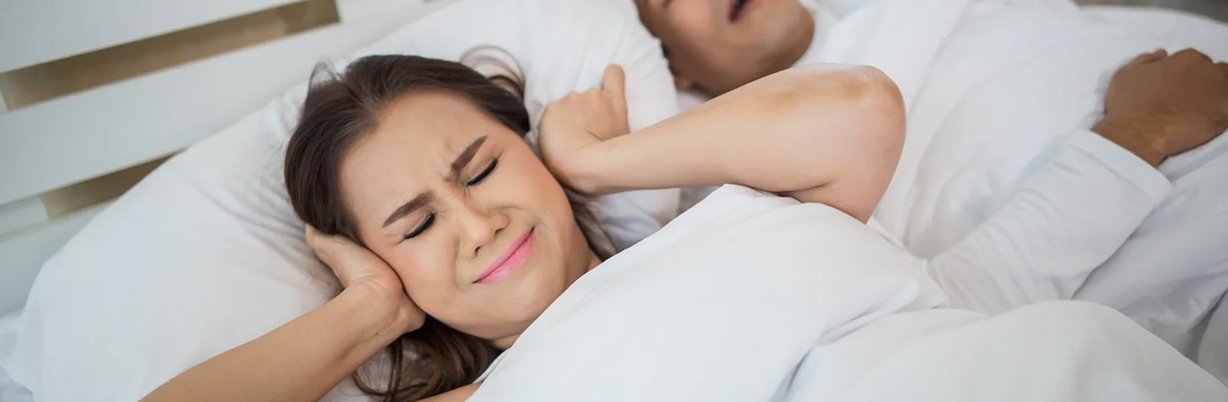
- SNORING
- SLEEP APNEA
Mouth breathing is one of the early and most common signs of sleep disordered breathing, which may eventually progress to sleep apnea. Sleep apnea is a type of life-threatening condition that can occur in both children and adults. This condition is characterized by cessation of breathing, which may occur as a result of partial or complete respiratory tract obstruction. Obstructive sleep apnea treatment can be done by a specialist who would provide individualized treatment plans based on your specific problem.
ASSESS YOUR BREATHING & SLEEP
2) Take a piece of paper tape and apply it to the mouth so you are forced to breathe through the nose for a minimum of 3 minutes. Mouth breather get uneasy.
3) Instill a camera and a video of your sleep can be assessed or ask someone to check on you as you sleep.
4) You can take a Home Sleep Study or an In-Lab Sleep Study.
WHAT IS A SLEEP STUDY AND DIFFERENT TYPES OF SLEEP
STUDIES?
A sleep study is a comprehensive, non-invasive sleep test that helps diagnose sleep disorders like Sleep Apnea and UARS. A sleep study test allows the doctor to monitor your sleep while recording brain waves, heart rate, breathing, snoring, and oxygen levels in your blood during the cycles of REM and nonREM stages of sleep. The data collected from the test is then analyzed by a sleep apnea specialist, which helps determine if you have sleep apnea or any other type of sleep disorder.
Two popular types of sleep studies are:
1) In-lab sleep study (Polysomnography): In a sleep lab, you are provided with a private bedroom for an overnight stay. A sleep technician will then place sensors on your scalp, chest and legs. A small clip is also attached to your finger to monitor your oxygen levels in the blood.The sensors attached to your body are connected to a computer, which allows the sleep technician to monitor different activities throughout the night, including:
- Brain and muscle activity
- Leg and eye movements
- Respiratory airflow: breathing lapses and snoring
- Body positioning and movements
- Blood pressure, heart rate and rhythm
2) At-home Sleep Test: For an at-home sleep test, the doctor will provide you with a portable sleep and breathing monitoring device like a WatchPAT. On the night of the test, make sure you follow your regular bedtime routine and follow the instructions provided by the doctor on how to attach the monitoring sensors accurately.
In the morning, remove the sensors when you wake and return the testing equipment to the doctor’s office. The doctor will then set up a follow-up visit with you to discuss the test results.
The at-home sleep test kit usually has:
- A nasal cannula – to measure oxygen and airflow
- A finger clip – to measure oxygen and heart rate
- Special sensors – to monitor your breathing patterns
SYMPTOMS OF SLEEP DISORDERS, SLEEP APNEA & TMD
- Fatigue
- Feeling sleepy at day time
- Trouble waking up in the morning
- Poor performance in school, on a job, or in sports
- Increased clumsiness
- Falling asleep while working or in class
- Risk of serious accidents and injuries
- Poor Concentration
- Anxiety
- Energy levels
- Ability to retain information
- Irritability and Moodiness
- Headaches
- Loss of Libido
- Tiredness even after waking up
Long term consequences of chronic sleep deprivation may lead to a host of health problems including high blood pressure, obesity, diabetes, cardiovascular disease, and even early mortality.
OUR BEST SLEEP DISORDER TREATMENT
Dr. Shah is
Laser Certified
(GLOH), LLC to perform laser
frenectomies.
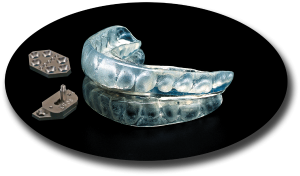
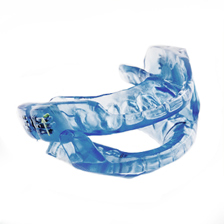
SLEEP APPLIANCES:


![OSA/UARS & TMD | | TMJ, Tongue Tie & Sleep Institute – Tongue Tie Treatment in Mumbai, India PROSOMNUS [CA] LP CONTINUOUS ADVANCEMENT SLEEP DEVICE](https://tonguetieindia.com/wp-content/uploads/2024/06/PROSOMNUS-CA-LP-CONTINUOUS-ADVANCEMENT-SLEEP-DEVICE.jpeg)
![OSA/UARS & TMD | | TMJ, Tongue Tie & Sleep Institute – Tongue Tie Treatment in Mumbai, India PROSOMNUS [CA] LP CONTINUOUS ADVANCEMENT SLEEP DEVICE](https://tonguetieindia.com/wp-content/uploads/2024/06/PROSOMNUS-EVO-SLEEP-AND-SNORE-DEVICE.jpg)
Frequently Asked Questions
Obstructive sleep apnea is a commonly occurring breathing disorder associated with sleep. In obstructive sleep apnea, the patient repeatedly starts and stops breathing while asleep. Obstructive sleep apnea treatment is essential for the overall well-being of the patient. Hence, it is important to seek advice from a sleep specialist.
To find a sleep specialist near you, contact our team. We will help you get in touch with the best sleep specialist, who will analyze your symptoms, diagnose the condition and provide a personalized treatment plan.
Find A Sleep Specialist Near Me
You can check your breathing and assess your sleep using an at-home sleep test device such as WatchPAT or use apps on your phone like Snorelab and many such apps.
A sleep specialist is a trained professional who helps diagnose OSA and UARS. They conduct a sleep study, either in a sleep center or using home sleep testing, to diagnose OSA and UARS. The study monitors various physiological parameters during sleep to determine the presence and severity of sleep-related breathing disorders. After the sleep test is conducted, the sleep specialist will diagnose the conditions after studying the test results.
The common symptoms associated with sleep disorders and TMD include the following,
- Poor Concentration
- Anxiety
- Fatigue
- Feeling sleepy at day time
- Jaw Pain
- Neck Stiffness
- Jaw locking, Jaw Clicking & Popping
OUR NON-INVASIVE SOLUTIONS FOR TMJ DISORDER & JAW PAIN:
Blogs
Is a Night Guard Enough for Teeth Grinding Treatment?
By Dr. Ankita Shah verified expert in TMJ Share this Article A night guard is like a cushion that protects your teeth from grinding damage but does not treat the root cause of bruxism. If your grinding is linked to TMJ disorder, stress, sleep apnea, or jaw misalignment, a night guard alone will not stop […]
Is Laser Tongue Tie Surgery Painful?
By Dr. Ankita Shah verified expert in TMJ Share this Article Laser frenectomy, also called laser tongue tie release, is a simple, minimally invasive and quick laser treatment for tongue tie. In laser lingual frenectomy, a tight frenulum connecting the tongue to the floor of the mouth is released.This procedure is painless and performed under […]
TMJ Relief Tips That Actually Work
By Dr. Ankita Shah verified expert in TMJ Share this Article Is Your Jaw Pain More Than Just Stress? You wake up with a sore jaw. Your ear feels blocked, but your doctor says everything looks fine. You hear a click every time you open your mouth wide. Sound familiar? These are classic signs of […]
Jaw Clicking: When Is It Normal and When Does It Need Treatment?
By Dr. Ankita Shah verified expert in TMJ Share this Article What Is Jaw Clicking? Jaw clicking refers to a sound or sensation that occurs when the jaw moves during activities such as chewing, speaking, or yawning. It originates from the temporomandibular joint (TMJ), which connects the lower jaw to the skull. In many individuals, […]
Is TMJ Treatment Painful?
By Dr. Ankita Shah verified expert in TMJ Share this Article TMJ treatment is generally designed to reduce pain, not create it. In most cases, patients experience only mild and temporary discomfort during certain stages of care, especially when muscles or joints are adapting to treatment. The level of discomfort varies depending on the underlying […]
TMJ Disorder Treatment for Sleep Bruxism and Nighttime Clenching: The Complete Guide
By Dr. Ankita Shah verified expert in TMJ Share this Article Do you wake up with jaw pain, notice your teeth wearing flat, or experience unexplained morning headaches? You might be dealing with sleep bruxism, involuntary teeth grinding that happens while you sleep. For millions of people worldwide, including many in India, this condition doesn’t […]
Is Surgery Always Required for TMJ Pain Treatment? Here Are Your Alternatives
By Dr. Ankita Shah verified expert in TMJ Share this Article If you’re experiencing jaw pain, clicking sounds, or difficulty chewing, you might be wondering: “Will I need surgery?” The short answer is no. In fact, the vast majority of people with TMJ pain can find relief without ever going under the knife. As a […]
How Hormone Fluctuations Can Trigger Temporomandibular Joint Disorder (TMJ)?
By Dr. Ankita Shah verified expert in TMJ Share this Article How Hormone Fluctuations Can Trigger Temporomandibular Joint Disorder (TMJ)? If you’ve ever woken up with jaw pain that seems to appear out of nowhere, or noticed that your jaw clicks more during certain times of the month, you’re not imagining things. For many women, […]