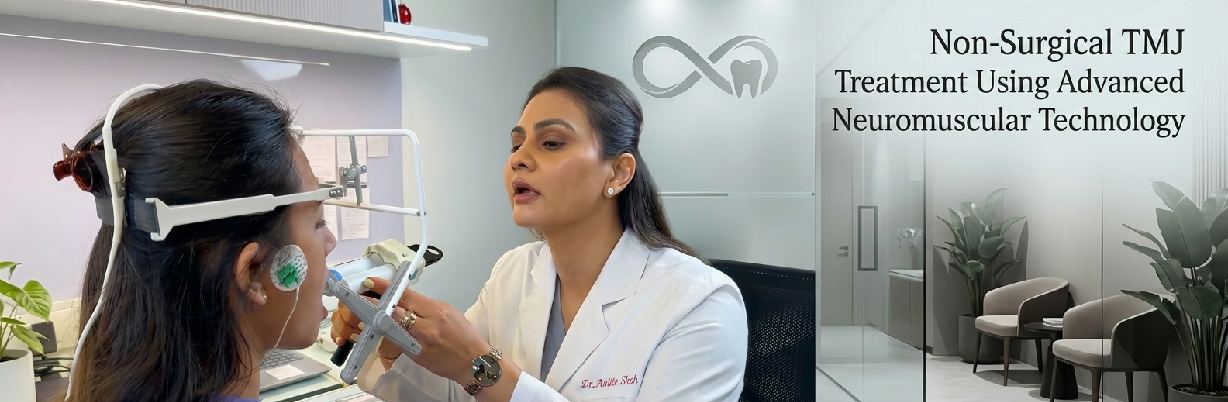








TMJ treatment is generally designed to reduce pain, not create it. In most cases, patients experience only mild and temporary discomfort during certain stages of care, especially when muscles or joints are adapting to treatment.
The level of discomfort varies depending on the underlying cause of the problem. Conditions involving muscle tension behave differently from those involving joint inflammation or mechanical changes. Because of this, treatment is introduced gradually and adjusted based on individual response.
To understand treatment comfort, it is important to understand the source of TMJ pain.
Temporomandibular disorders can arise from different structures within the jaw system. Some patients experience muscle-related pain due to clenching, grinding, or postural strain. Others may have joint-related discomfort caused by inflammation or changes in how the joint moves. In certain cases, long-standing symptoms can make the nervous system more sensitive, leading to persistent discomfort.
Because these conditions differ, treatment is always based on diagnosis rather than assumption.
TMJ treatment is structured to be controlled and well tolerated. However, mild temporary discomfort can occur during the initial phases of care.
For example, therapeutic exercises may create slight muscle soreness similar to rehabilitation in other parts of the body. Similarly, when a splint or orthotic appliance is introduced, the jaw may take some time to adapt to a new position. This adjustment phase is expected and is monitored during follow-up visits.
Significant or worsening pain during treatment is not typical and usually requires reassessment.
Meet Dr.Ankita Shah | Dubai & India’s Leading TMJ Expert & Tongue Tie Specialist | Airway Dentistry
Most TMJ cases are managed using conservative approaches. These include physiotherapy, habit correction, splints, TENS therapy, jaw tracking and postural adjustments.
During this phase, patients may notice gradual improvement in symptoms rather than immediate relief. Mild discomfort may occur during muscle retraining or early adaptation, but this is generally short-lived.
As treatment progresses, the focus shifts toward stabilizing jaw function and reducing strain on the joint.
Avoid exercises that cause pain or loud clicking. Start with 5 repetitions and gradually increase. Your TMJ specialist can tailor a programme specifically to your bite pattern and joint health.
In some situations, when conservative care is not sufficient, minimally invasive procedures may be considered. These are typically used in selected cases where joint-related issues are clearly identified.
Such procedures may cause temporary soreness due to normal tissue response. However, they are performed with appropriate care and are not the first line of treatment.
Surgical intervention is uncommon and reserved only for specific structural conditions.
Patients with long-standing symptoms may experience slower improvement. Chronic inflammation or prolonged muscle tension can require gradual rehabilitation.
Even in these cases, treatment is introduced step by step to avoid unnecessary discomfort. The goal is steady improvement rather than rapid but unstable changes.
The most important factor in making TMJ treatment comfortable is accurate diagnosis.
A structured evaluation typically includes assessment of jaw movement, muscle function, joint behavior, and bite relationships. In some cases, imaging may be required to better understand joint structures.
When treatment is based on clear clinical findings, it becomes more predictable and easier for patients to tolerate.
Recovery from TMJ disorders is usually gradual. Some patients with acute muscle-related pain improve relatively quickly, while others with more complex conditions require longer follow-up.
Improvement depends on several factors, including how long symptoms have been present, the degree of muscle or joint involvement, and how consistently the treatment plan is followed.
There is no single timeline, and regular monitoring helps guide progress.
Patients can support their recovery by following simple measures. Avoiding clenching, maintaining proper posture, managing stress, and attending scheduled follow-ups all contribute to better outcomes.
These factors help reduce unnecessary strain on the jaw and improve tolerance to treatment.
TMJ treatment should feel controlled and progressive. You should seek reassessment if:
These signs may indicate the need to adjust the treatment approach.
TMJ treatment is generally well tolerated and focused on reducing long-term discomfort. While mild, temporary soreness may occur during certain phases, treatment is designed to improve function and relieve strain on the joint.
The key to a comfortable experience lies in accurate diagnosis, gradual progression, and individualized care.
Some patients may experience mild soreness during early stages, especially with exercises or splint adaptation.
A properly fitted splint should not cause ongoing pain. Temporary adjustment is common.
Mild soreness may occur, but significant worsening should be evaluated.
They may cause short-term discomfort but are performed with proper pain control.
Surgery is rarely needed and is reserved for specific cases.
WhatsApp us
Let Us Know How Can We Help You!
At our institute, we take pride in providing complete care for issues related to tongue tie and TMJ. To enhance your quality of life, we treat a range of ailments with state-of-the-art technology and expert care. If you’re searching for an effective tongue-tie operation option or a TMJ specialist in India, you have arrived at the right place.
A tongue tie operation or tongue tie surgery is a life-changing procedure that not only restores tongue mobility but also has a full body effect. While most people associate tongue tie with breastfeeding difficulties in infants, it can also affect speech, breathing, posture, dental health, and sleep patterns in older children and adults. By undergoing this minimally invasive fascia release procedure, patients often experience immediate improvements in functionality and overall well-being.
For individuals considering tongue tie surgery, the benefits are far-reaching:
The Temporomandibular Joint (TMJ) that is your Jaw Joint has a significant impact on one’s quality of life, as they leave the person feeling exhausted and irritable. It not only affects essential functions like chewing, speaking, yawning but also affects one’s posture, breathing and sleep. As a leading TMJ specialist in Mumbai, we offer comprehensive diagnostics and personalized treatment plans to address your unique needs.
Our approach to TMJ disorders combines state-of-the-art technology with evidence-based practices. We specialize in:
Many patients are unaware that tongue tie and TMJ disorders can also be interconnected. A restricted tongue can lead to compensatory behaviors that strain the jaw, progressing towards TMJ issues.
For newborns, a tongue tie operation is critical in supporting breastfeeding. Infants struggling to latch or feed effectively benefit greatly from a quick and safe procedure.
Adults often seek tongue tie operations for relief from symptoms such as speech impediments, TMJ pain, or even snoring. Combining tongue tie surgery with myofunctional therapy ensures optimal results.
An integral part of our treatment protocols is myofunctional therapy. Exercises used in this therapy help to strengthen and coordinate the muscles of the tongue and face. Whether you’re undergoing a tongue tie operation or being treated for TMJ issues, myofunctional therapy plays a pivotal role in ensuring lasting outcomes. Expertise and complete treatment are essential for treating TMJ issues or tongue tie. Whether you’re searching for the best tongue tie surgery options or a trusted TMJ specialist in Mumbai, we ensure personalized care and transformative results. Don’t let these conditions stop you—reach out to us today to book your consultation and start your journey toward better health and wellness.