






Yes, orofacial myofunctional therapy can correct tongue thrust, but success depends on consistent practice and the right treatment approach. Tongue thrust is when your tongue pushes forward against your front teeth during swallowing or at rest.
Many people don’t realize they have a tongue thrust problem until a dentist, orthodontist, or TMJ specialist points it out. That’s where orofacial myofunctional therapy comes in.
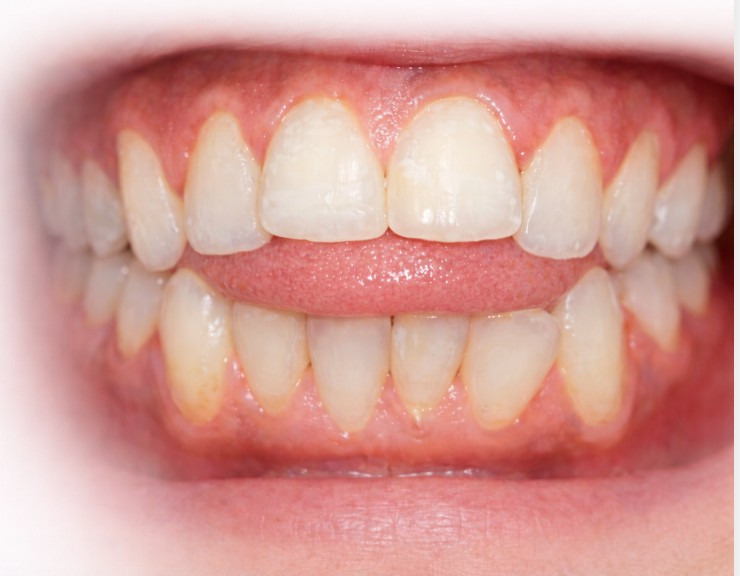
Tongue thrust is an abnormal swallowing pattern where your tongue moves forward beyond your teeth instead of staying in the roof of your mouth. In a normal swallow, your tongue should press upward and backward. When it pushes forward, it can create pressure on your front teeth and jaw joints over time.
Common causes include:
Orofacial myofunctional therapy (OMT) is a specialized treatment that retrains your mouth, tongue, and facial muscles. Think of it like physical therapy, but for your tongue and swallowing patterns.
Muscle Re-education and Tongue Posture
The therapy involves targeted exercises that teach your tongue to rest in the correct position (against the roof of your mouth, not touching your front teeth). Your therapist guides you through exercises that:
Breathing and Swallowing Pattern Correction
Tongue thrust usually goes hand-in-hand with mouth breathing. Myofunctional therapy addresses
When both breathing and swallowing improve, your tongue naturally stays in the right place without constant effort.
Yes, it can—but with three important conditions:
1. Consistency Matters
Your muscles respond to repetition. If you skip exercises or don’t practice daily, progress stalls. Most people see noticeable improvement within 6-12 weeks of consistent therapy, but habit change takes time.
2. Age Affects Results
Children (ages 6-12) respond fastest because their habits are newer and their brains are still developing motor patterns. Adults can absolutely benefit, but it may take slightly longer—usually 3-6 months.
3. Underlying Causes Must Be Addressed
If tongue thrust is caused by nasal obstruction or sleep apnea, those need treatment too. Therapy alone won’t work if you can’t breathe through your nose. Once the root cause is fixed, myofunctional therapy prevents the tongue thrust from returning.
You should consider professional evaluation if you notice:
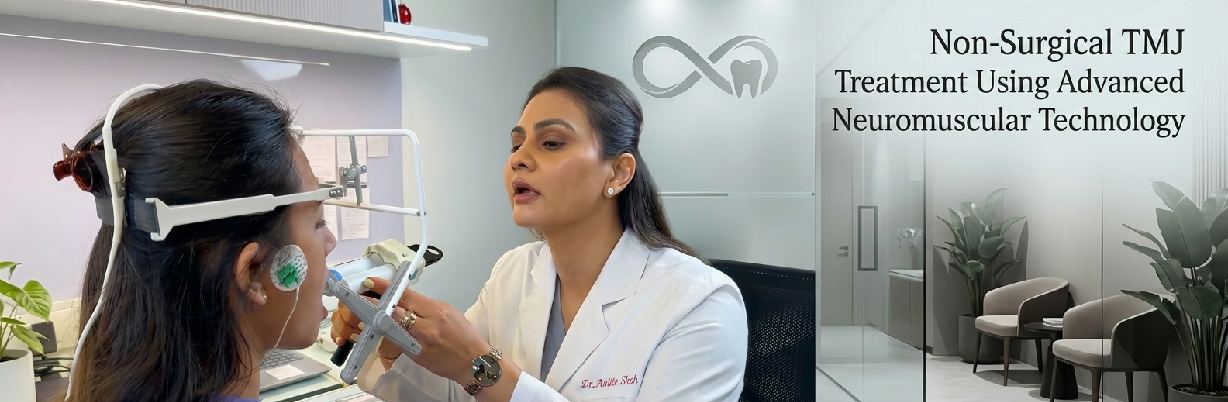
Dr. Ankita Shah specializes in TMJ disorders and orofacial pain in Mumbai. As a TMJ specialist, she evaluates how tongue thrust affects your bite, jaw alignment, and overall oral health. If tongue thrust is contributing to your symptoms, she can create a personalized treatment plan combining myofunctional therapy with other necessary interventions.
If you’re noticing jaw pain, bite changes, or suspect tongue thrust, a consultation with a TMJ specialist can confirm the diagnosis and recommend the best treatment path for your situation.
Myofunctional therapy can be highly effective when practiced consistently. Studies show 60–80% of patients experience significant improvement within 6–9 months. The therapy strengthens tongue muscles and corrects swallowing patterns through targeted daily exercises. Many patients notice visible results within 6–8 weeks, especially when underlying issues like mouth breathing or sleep apnea are also addressed.
Tongue thrust therapy usually takes several months for lasting correction. Children often show visible changes within 6–8 weeks because their habits are newer, while adults may need 3–6 months depending on how long they've had the pattern and how regularly they do the exercises.
Yes, tongue thrust treatment works well for adults too. The key factor is consistency, not age. Adults can learn new muscle patterns just as children can, and many adults actually stick to the program better because they understand why they're doing it.
Yes, tongue thrust can contribute to TMJ problems. When the tongue keeps pushing forward against the teeth, it can gradually affect the way the jaw joints sit and move, leading to clicking, popping, muscle tension, pain, and even headaches. In some cases, existing TMJ issues can also cause a compensatory tongue thrust, so both need to be evaluated together.
No, myofunctional therapy is not painful. The exercises are gentle and designed to retrain your muscles without causing discomfort. You may feel mild muscle tiredness at first, similar to starting a new workout, but that's normal. If anything feels painful, your therapist can adjust or modify the exercises.
Tongue thrust usually does not return if the therapy is completed properly and the root causes, such as mouth breathing or airway issues, are addressed. However, during times of high stress, illness, or if you stop all follow-up habits, you might slip back into old patterns. The good news is that, if relapse happens, a short round of refresher exercises is often enough to correct it again.
Not everyone with tongue thrust needs braces. If the habit is caught early and corrected before the teeth move, myofunctional therapy alone may be enough. If your teeth have already shifted forward or spacing has increased, your dentist or orthodontist may recommend braces along with therapy so that both the habit and the tooth position are corrected.
You can find exercises online, but working with a trained myofunctional therapist is strongly recommended, especially at the beginning. A therapist makes sure you are doing the exercises correctly, progresses your plan at the right pace, and helps you avoid reinforcing incorrect patterns. Once your technique is confirmed, most people can continue a large part of their program at home on their own.
Copyright ©2025 TMJ, Tongue Tie and Sleep Institute. All Rights Reserved.
WhatsApp us
Let Us Know How Can We Help You!
At our institute, we take pride in providing complete care for issues related to tongue tie and TMJ. To enhance your quality of life, we treat a range of ailments with state-of-the-art technology and expert care. If you’re searching for an effective tongue-tie operation option or a TMJ specialist in India, you have arrived at the right place.
A tongue tie operation or tongue tie surgery is a life-changing procedure that not only restores tongue mobility but also has a full body effect. While most people associate tongue tie with breastfeeding difficulties in infants, it can also affect speech, breathing, posture, dental health, and sleep patterns in older children and adults. By undergoing this minimally invasive fascia release procedure, patients often experience immediate improvements in functionality and overall well-being.
For individuals considering tongue tie surgery, the benefits are far-reaching:
The Temporomandibular Joint (TMJ) that is your Jaw Joint has a significant impact on one’s quality of life, as they leave the person feeling exhausted and irritable. It not only affects essential functions like chewing, speaking, yawning but also affects one’s posture, breathing and sleep. As a leading TMJ specialist in Mumbai, we offer comprehensive diagnostics and personalized treatment plans to address your unique needs.
Our approach to TMJ disorders combines state-of-the-art technology with evidence-based practices. We specialize in:
Many patients are unaware that tongue tie and TMJ disorders can also be interconnected. A restricted tongue can lead to compensatory behaviors that strain the jaw, progressing towards TMJ issues.
For newborns, a tongue tie operation is critical in supporting breastfeeding. Infants struggling to latch or feed effectively benefit greatly from a quick and safe procedure.
Adults often seek tongue tie operations for relief from symptoms such as speech impediments, TMJ pain, or even snoring. Combining tongue tie surgery with myofunctional therapy ensures optimal results.
An integral part of our treatment protocols is myofunctional therapy. Exercises used in this therapy help to strengthen and coordinate the muscles of the tongue and face. Whether you’re undergoing a tongue tie operation or being treated for TMJ issues, myofunctional therapy plays a pivotal role in ensuring lasting outcomes. Expertise and complete treatment are essential for treating TMJ issues or tongue tie. Whether you’re searching for the best tongue tie surgery options or a trusted TMJ specialist in Mumbai, we ensure personalized care and transformative results. Don’t let these conditions stop you—reach out to us today to book your consultation and start your journey toward better health and wellness.