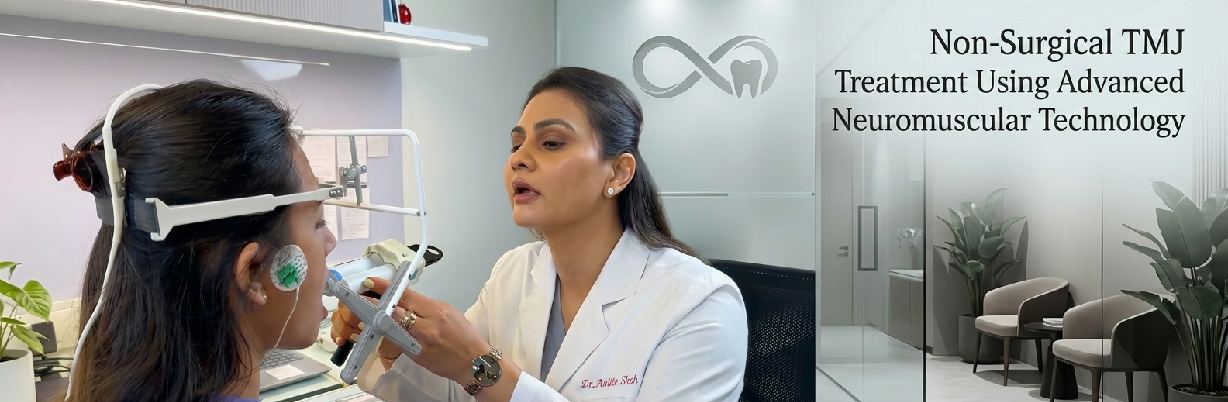







Breathing seems effortless -until it isn’t. As an airway-focused dentist, I see patients every day who have been unknowingly struggling with airway-related issues for years, sometimes decades. These aren’t just breathing problems. They affect sleep, facial development, difficulty focusing, remembering, and thinking clearly , and overall quality of life.
Traditional orthodontics focuses primarily on tooth alignment and bite correction. Airway orthodontics is a specialized discipline that takes a whole body approach that goes beyond straightening teeth. It addresses the root cause and examines how the structure of the jaw, the position of the tongue, the width of the palate, and the development of the face all influence the airway – and therefore, how well a person breathes. The earlier we identify these issues, the more we can do to correct them.
When the airway is restricted, the body compensates in ways that can cause a cascade of health issues – from poor sleep and chronic fatigue to jaw pain and postural changes. Airway orthodontic treatment corrects these structural problems so the body can function as it was designed to.
In my clinical experience, patients often come in with complaints that seem unrelated to their jaw or airway — mouth breathing, snoring, sleep apnea, disturbed sleep, frequent nasal congestion, mood and behavior issues.
But when we look at the full picture, the connection becomes clear.
Nose breathing is how the body is designed to breathe. The nose filters, humidifies, and warms air before it reaches the lungs.
Consistent mouth breathing is often a sign of restricted nasal airflow caused by:
Over time, chronic mouth breathing can affect facial and jaw development — especially during childhood. Common changes may include a long, narrow face, underdeveloped jaws, poor tongue posture, dark circles under the eyes, and dental crowding. These structural changes can also contribute to TMJ dysfunction, airway restriction, and poor sleep quality later in life.
Loud snoring, gasping during sleep, repeated awakenings, or pauses in breathing are common signs of obstructive sleep apnea (OSA).
Sleep apnea reduces oxygen flow during sleep and may lead to:
Airway-focused orthodontic treatment aims to address the underlying structural causes rather than only managing the symptoms.
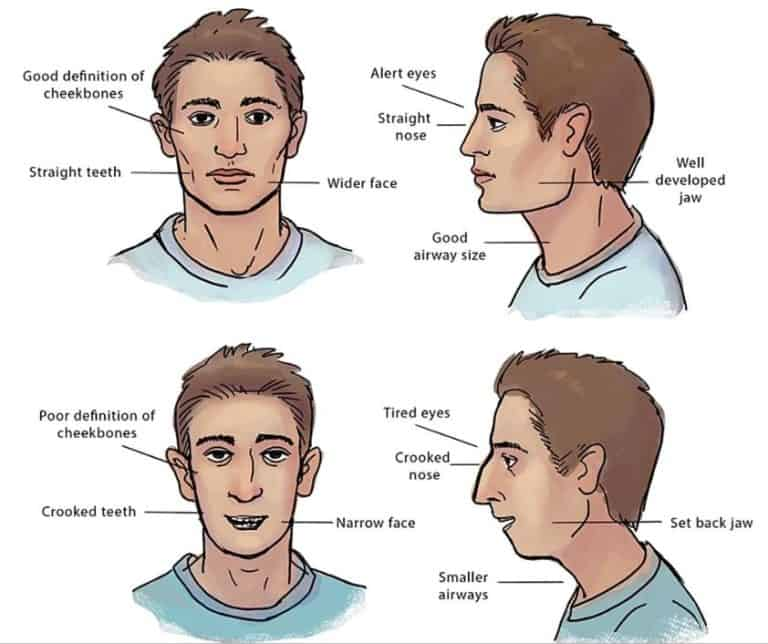
A receding chin, narrow jaw, flat midface, or facial asymmetry are not merely cosmetic concerns.
These skeletal development patterns directly affect airway function.
When the jaw is underdeveloped or poorly positioned, the tongue has less room to rest properly and falls backward toward the throat.
If you sleep for eight hours and still wake up exhausted, poor airway function may be affecting sleep quality. Airway obstruction can cause repeated micro-arousals during sleep, preventing restorative deep sleep.
Common symptoms include:
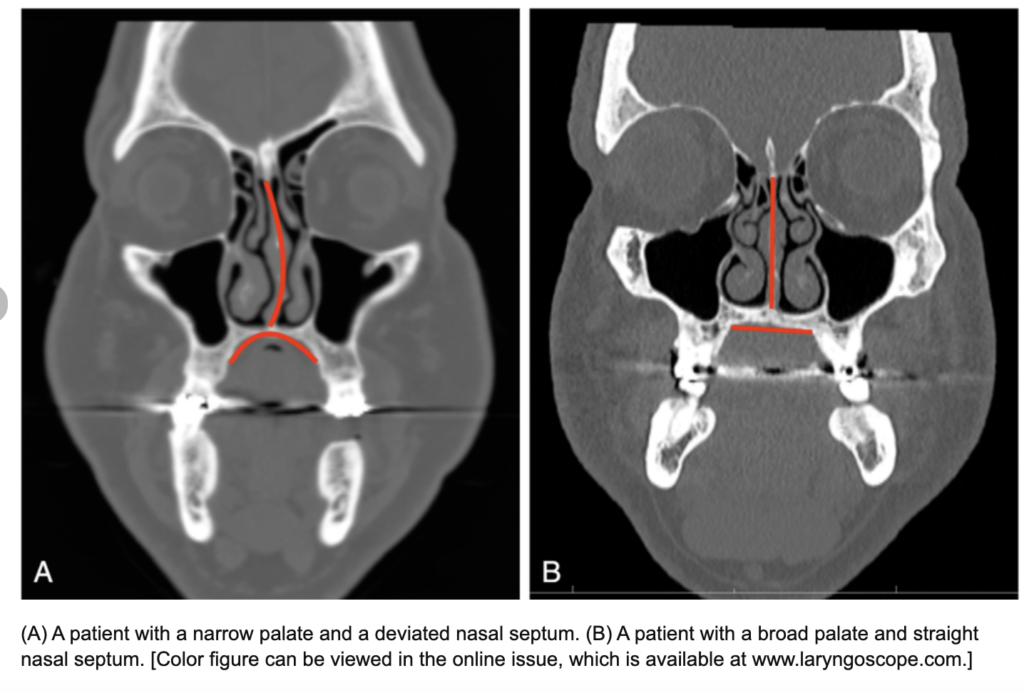
Chronic nasal congestion forces the body to rely on mouth breathing, worsening airway dysfunction over time. A narrow palate compresses the nasal passages, while poor tongue posture may contribute to sinus drainage issues and frequent ear infections.
Addressing structural causes can significantly improve breathing patterns.
Tongue tie (ankyloglossia), restricted oral space, and improper tongue posture can interfere with normal tongue function and oral development. When the tongue cannot rest properly against the roof of the mouth, it may affect jaw growth, airway development, nasal breathing, and even sinus drainage over time.
Early evaluation and airway-focused treatment can help improve tongue function, oral posture, breathing patterns, and overall facial development.
When the airway becomes compromised during sleep, the brain signals the jaw to go in a protective reflex by moving the jaw forward to maintain airflow which leads to muscle guarding.
This protective mechanism can lead to teeth grinding & jaw clenching, headaches & TMJ pain, tooth wear and tear.
Treating the airway dysfunction often improves bruxism without relying only on a nightguard.
When patients present with airway-related symptoms, we take a comprehensive diagnostic approach.
We do not guess — we evaluate the evidence carefully.
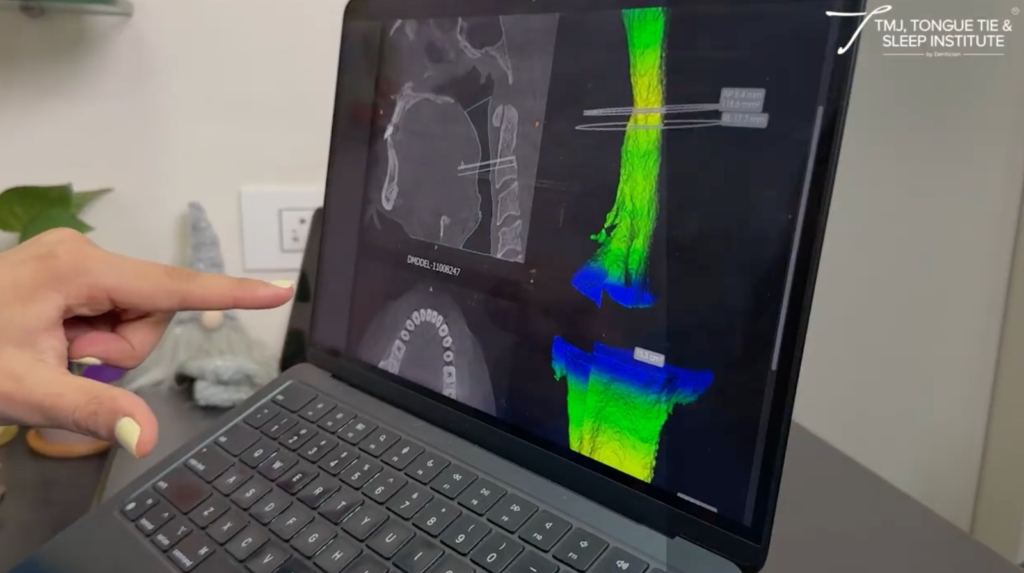
Used to assess:
Evaluates how the upper and lower jaws relate to the airway.
Observes:
The roof of your mouth is also the floor of your nasal cavity. A narrow palate means a narrow nasal passage – and that directly limits airflow through the nose.
By widening the palate, we create more space for nasal breathing, which is the body’s natural and healthy breathing mode.
The honest answer? Sooner than you think.
Many structural airway problems are significantly easier to correct in children while the bones are still developing. This means the best ages to correct are between 4–12 years. However, adults also benefit tremendously from treatment.
As Dr. Ankita Shah, Airway & TMJ Specialist at Tongue Tie India, notes from her clinical practice – patients who seek evaluation early, before compensatory patterns become deeply ingrained, tend to see the most significant improvements. And yet, she regularly works with adults in their 30s, 40s, and beyond who achieve genuinely life-changing results through airway orthodontic treatment.
It is never too late to improve how you breathe.
If you or your child experience chronic mouth breathing, poor sleep, jaw pain, fatigue, or airway-related symptoms, do not dismiss them as normal. These are often signs of underlying structural airway dysfunction.
A comprehensive evaluation can reveal the root cause and help you breathe better, sleep better, and function better every day.
Palatal expanders gradually widen the upper jaw. Since the roof of the mouth is the floor of the nasal cavity, expansion creates more nasal airspace and improves breathing.
They are most effective in children and teens but can also be used in adults with a little invasive approach.
Yes. By addressing the structural root causes of airway obstruction — narrow palate, jaw positioning, and tongue posture — airway orthodontic treatment can significantly reduce or eliminate obstructive sleep apnea symptoms.
If you or your child experience chronic mouth breathing, snoring, sleep disturbances, jaw pain, frequent fatigue, or speech difficulties, a consultation with an airway orthodontist is recommended. Earlier intervention between 4-12 yrs often leads to better long-term outcomes.
WhatsApp us
Let Us Know How Can We Help You!
At our institute, we take pride in providing complete care for issues related to tongue tie and TMJ. To enhance your quality of life, we treat a range of ailments with state-of-the-art technology and expert care. If you’re searching for an effective tongue-tie operation option or a TMJ specialist in India, you have arrived at the right place.
A tongue tie operation or tongue tie surgery is a life-changing procedure that not only restores tongue mobility but also has a full body effect. While most people associate tongue tie with breastfeeding difficulties in infants, it can also affect speech, breathing, posture, dental health, and sleep patterns in older children and adults. By undergoing this minimally invasive fascia release procedure, patients often experience immediate improvements in functionality and overall well-being.
For individuals considering tongue tie surgery, the benefits are far-reaching:
The Temporomandibular Joint (TMJ) that is your Jaw Joint has a significant impact on one’s quality of life, as they leave the person feeling exhausted and irritable. It not only affects essential functions like chewing, speaking, yawning but also affects one’s posture, breathing and sleep. As a leading TMJ specialist in Mumbai, we offer comprehensive diagnostics and personalized treatment plans to address your unique needs.
Our approach to TMJ disorders combines state-of-the-art technology with evidence-based practices. We specialize in:
Many patients are unaware that tongue tie and TMJ disorders can also be interconnected. A restricted tongue can lead to compensatory behaviors that strain the jaw, progressing towards TMJ issues.
For newborns, a tongue tie operation is critical in supporting breastfeeding. Infants struggling to latch or feed effectively benefit greatly from a quick and safe procedure.
Adults often seek tongue tie operations for relief from symptoms such as speech impediments, TMJ pain, or even snoring. Combining tongue tie surgery with myofunctional therapy ensures optimal results.
An integral part of our treatment protocols is myofunctional therapy. Exercises used in this therapy help to strengthen and coordinate the muscles of the tongue and face. Whether you’re undergoing a tongue tie operation or being treated for TMJ issues, myofunctional therapy plays a pivotal role in ensuring lasting outcomes. Expertise and complete treatment are essential for treating TMJ issues or tongue tie. Whether you’re searching for the best tongue tie surgery options or a trusted TMJ specialist in Mumbai, we ensure personalized care and transformative results. Don’t let these conditions stop you—reach out to us today to book your consultation and start your journey toward better health and wellness.