






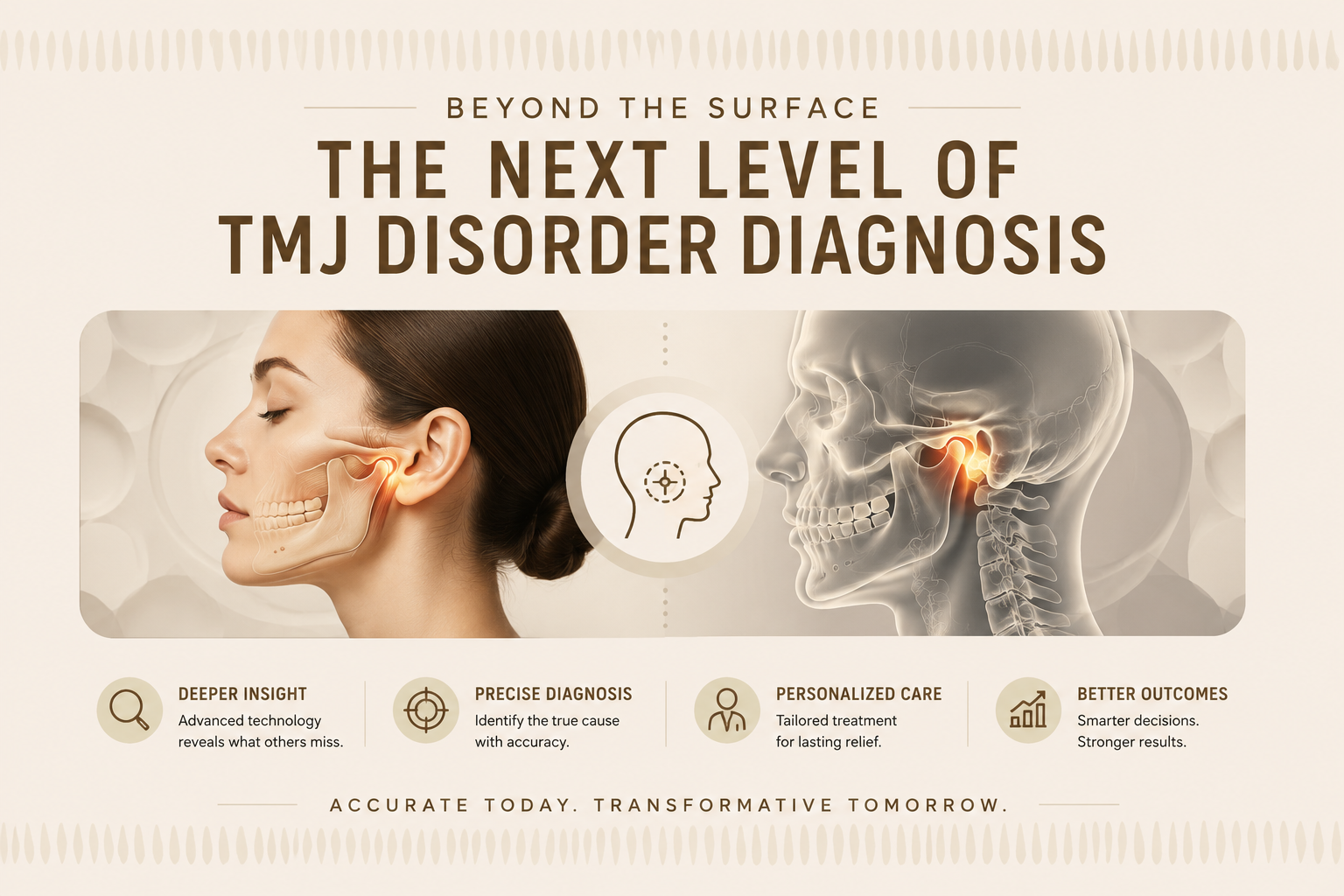
Many patients with TMJ disorders spend months or even years treating headaches, ear pain, facial tension, or jaw discomfort without getting a clear answer about the real cause. Modern TMJ diagnosis is no longer based only on symptoms. Advanced technologies like 3D CBCT scans, jaw tracking, EMG muscle analysis, and AI-assisted evaluation now help specialists understand jaw function more precisely and monitor treatment progress scientifically.
If you are looking for advanced TMJ diagnosis in Dr. Ankita Shah uses technology-driven TMJ evaluation designed to improve diagnostic accuracy and support more personalized treatment planning.
to better understand both structural and functional jaw problems.
Instead of evaluating only symptoms, specialists can analyze:
This creates a more comprehensive and data-supported approach to TMJ care.
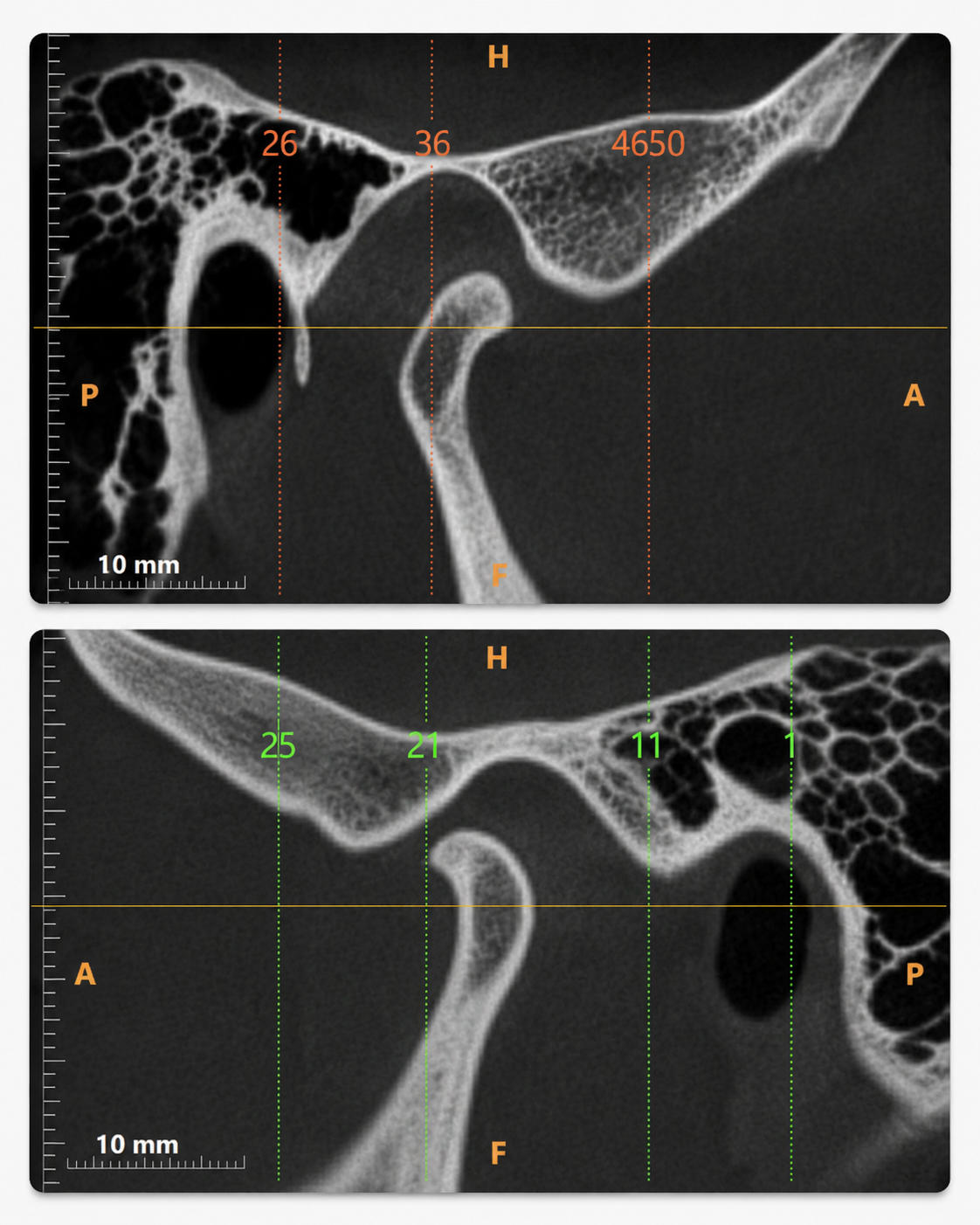
CBCT (Cone Beam Computed Tomography) is a specialized 3D imaging technology commonly used in advanced dental and TMJ evaluation.
Unlike standard 2D X-rays, CBCT scans provide detailed three-dimensional visualization of:
This helps specialists identify structural findings that may not always be visible on conventional imaging.
For patients with persistent TMJ symptoms, CBCT imaging may help improve diagnostic clarity and treatment planning accuracy.
| Traditional TMJ Evaluation | Advanced AI-Assisted TMJ Diagnosis |
| Symptom-focused evaluation | Functional and structural analysis |
| Standard 2D imaging | Detailed 3D CBCT imaging |
| Limited movement assessment | Jaw tracking analysis |
| Visual examination alone | Muscle function assessment |
| Subjective progress evaluation | Measurable treatment monitoring |
| Generalized treatment planning | Personalized diagnostic insights |
AI-assisted systems can support TMJ evaluation by helping specialists analyze complex imaging and functional data more efficiently.
AI-supported analysis may assist in:
The goal of AI in TMJ care is not to replace clinical expertise, but to support more detailed and objective evaluation.
“TMJ symptoms often overlap with headaches, ear discomfort, and muscle tension, which is why advanced functional evaluation becomes important for accurate diagnosis,” says Dr. Ankita Shah.
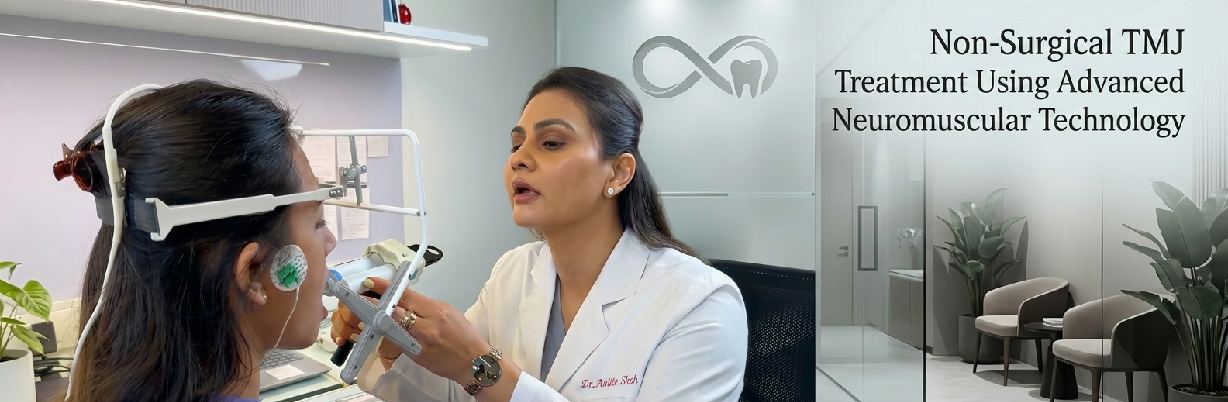
Jaw tracking technology helps analyze how the jaw moves during: Opening, Closing, Chewing, Speaking. Even patients with similar symptoms may have very different jaw movement patterns.
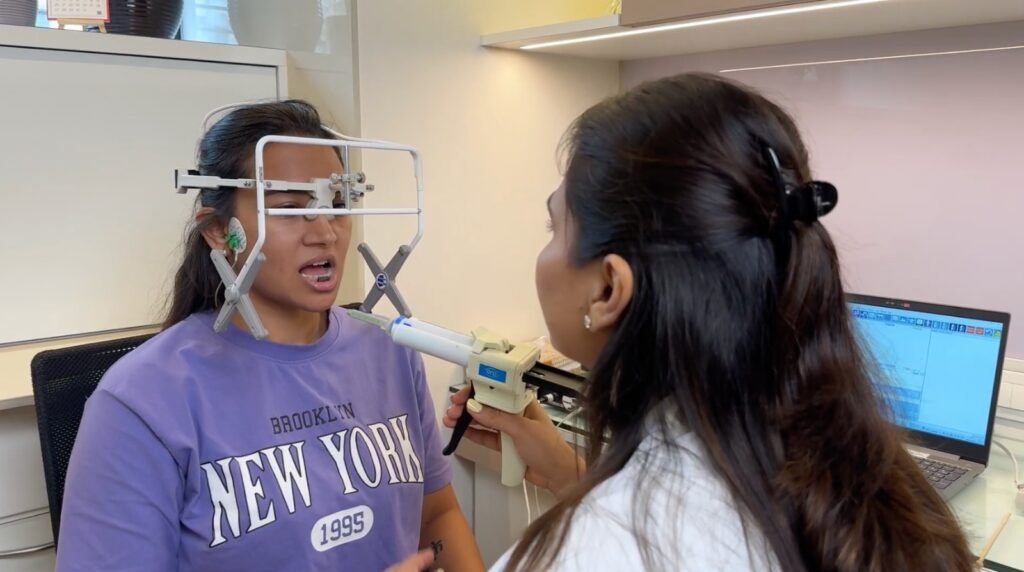
Jaw tracking technology helps analyze how the jaw moves during: Opening, Closing, Chewing, Speaking. Even patients with similar symptoms may have very different jaw movement patterns.
This allows specialists to evaluate TMJ function dynamically rather than relying only on static imaging.
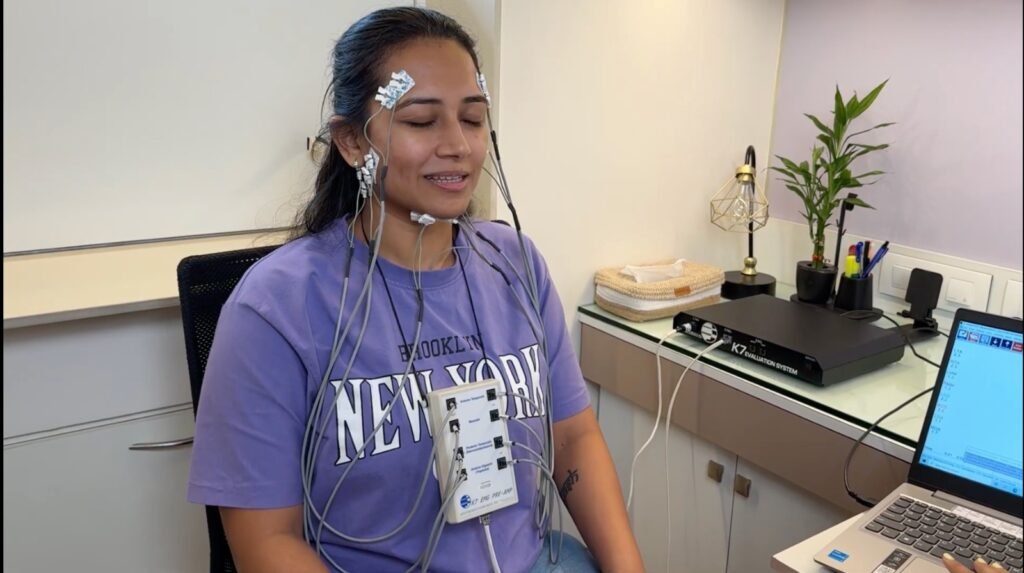
TMJ problems are not always caused by the joint alone. In many patients, surrounding muscles also play a major role.
Patients who grind their teeth or experience chronic jaw tension may especially benefit from EMG muscle-focused TMJ assessment.
Combining CBCT imaging, Jaw tracking and EMG Muscle analysis provides a more complete understanding of jaw function.
One of the most advanced aspects of modern TMJ care is the ability to evaluate changes after treatment using CBCT comparison, Jaw tracking & EMG Muscle analysis specialists can monitor how jaw function changes over time.
This may help assess improvement in jaw movement, reduction in imbalance, muscle relaxation patterns, functional joint changes and overall treatment response.Rather than relying only on symptom feedback, treatment progress can be evaluated more objectively.
This approach supports more evidence-based TMJ management and may help improve long-term treatment planning.
TMJ disorders can involve joint dysfunction, muscle imbalance, structural asymmetry and movement abnormalities.Different causes may require different treatment approaches.
More accurate diagnosis may help reduce treatment guesswork, improve treatment planning, identify underlying causes earlier, monitor functional improvement and personalize patient care.
This is why advanced diagnostics are becoming increasingly important in modern TMJ management.
Yes. Some structural or functional TMJ problems may not be fully visible on standard 2D imaging alone.
Jaw tracking evaluates how the jaw moves during function and helps identify movement abnormalities or imbalance.
Many TMJ symptoms are influenced by muscle tension, clenching, or functional imbalance, not only the joint itself.
No. AI is used to support evaluation and treatment planning, but clinical expertise remains essential.
Advanced technologies such as CBCT comparison, jaw tracking, and muscle analysis may help evaluate functional changes before and after treatment.
CBCT imaging is commonly used in advanced dental and TMJ evaluation when clinically indicated by the specialist.
WhatsApp us
Let Us Know How Can We Help You!
At our institute, we take pride in providing complete care for issues related to tongue tie and TMJ. To enhance your quality of life, we treat a range of ailments with state-of-the-art technology and expert care. If you’re searching for an effective tongue-tie operation option or a TMJ specialist in India, you have arrived at the right place.
A tongue tie operation or tongue tie surgery is a life-changing procedure that not only restores tongue mobility but also has a full body effect. While most people associate tongue tie with breastfeeding difficulties in infants, it can also affect speech, breathing, posture, dental health, and sleep patterns in older children and adults. By undergoing this minimally invasive fascia release procedure, patients often experience immediate improvements in functionality and overall well-being.
For individuals considering tongue tie surgery, the benefits are far-reaching:
The Temporomandibular Joint (TMJ) that is your Jaw Joint has a significant impact on one’s quality of life, as they leave the person feeling exhausted and irritable. It not only affects essential functions like chewing, speaking, yawning but also affects one’s posture, breathing and sleep. As a leading TMJ specialist in Mumbai, we offer comprehensive diagnostics and personalized treatment plans to address your unique needs.
Our approach to TMJ disorders combines state-of-the-art technology with evidence-based practices. We specialize in:
Many patients are unaware that tongue tie and TMJ disorders can also be interconnected. A restricted tongue can lead to compensatory behaviors that strain the jaw, progressing towards TMJ issues.
For newborns, a tongue tie operation is critical in supporting breastfeeding. Infants struggling to latch or feed effectively benefit greatly from a quick and safe procedure.
Adults often seek tongue tie operations for relief from symptoms such as speech impediments, TMJ pain, or even snoring. Combining tongue tie surgery with myofunctional therapy ensures optimal results.
An integral part of our treatment protocols is myofunctional therapy. Exercises used in this therapy help to strengthen and coordinate the muscles of the tongue and face. Whether you’re undergoing a tongue tie operation or being treated for TMJ issues, myofunctional therapy plays a pivotal role in ensuring lasting outcomes. Expertise and complete treatment are essential for treating TMJ issues or tongue tie. Whether you’re searching for the best tongue tie surgery options or a trusted TMJ specialist in Mumbai, we ensure personalized care and transformative results. Don’t let these conditions stop you—reach out to us today to book your consultation and start your journey toward better health and wellness.