






Missing teeth can gradually change your bite height, affecting how your jaw functions and how muscles work. Over time, this may influence posture patterns and even breathing space in certain cases. Early evaluation helps maintain balance and prevent Meta Title -Missing Teeth & TMJ Problems | Jaw, Posture & Airway Impactlong-term complications.
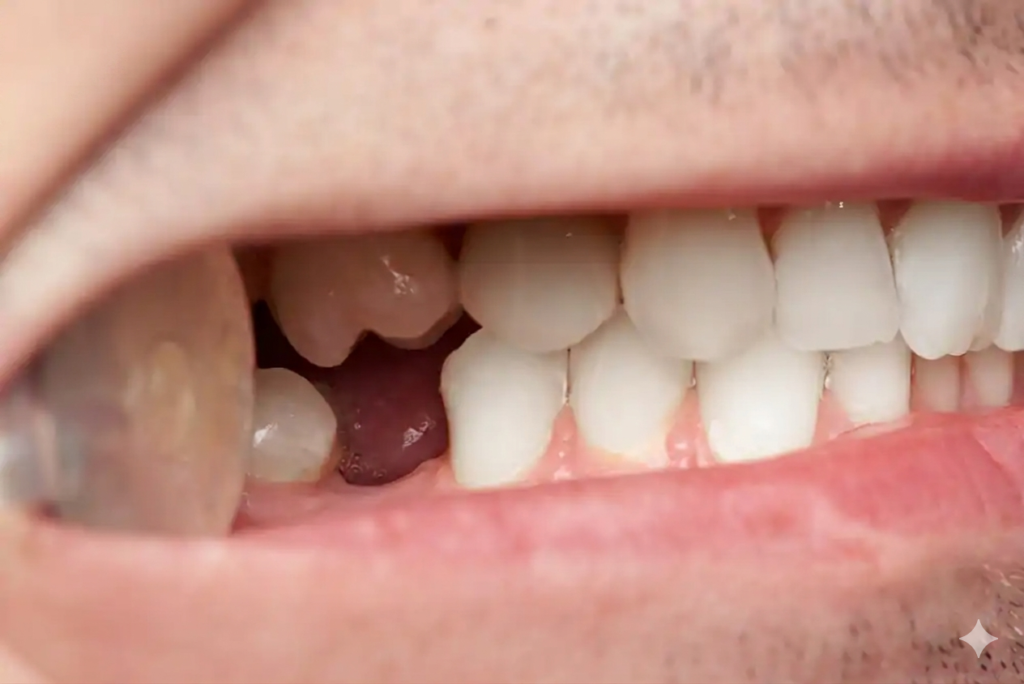
Missing a tooth is not just about appearance—it can gradually affect how your entire oral system functions. When a tooth is lost, the surrounding teeth and jaw begin to adjust to the empty space. Although these changes happen slowly and may not cause immediate discomfort, they can lead to shifting of teeth, changes in bite alignment, and added strain on the jaw.
Over time, this can impact how efficiently you chew and how stable your bite remains, making it more than just a cosmetic concern.
One of the important changes after tooth loss is a shift in bite height. When support from a tooth is lost, one side of the jaw may function slightly lower or differently compared to the other. This creates an imbalance in how the upper and lower teeth come together.
As this imbalance develops, the pressure on the surrounding muscles also begins to change. Some muscles may start working harder to compensate, while others may become less active.
Over time, this may lead to:
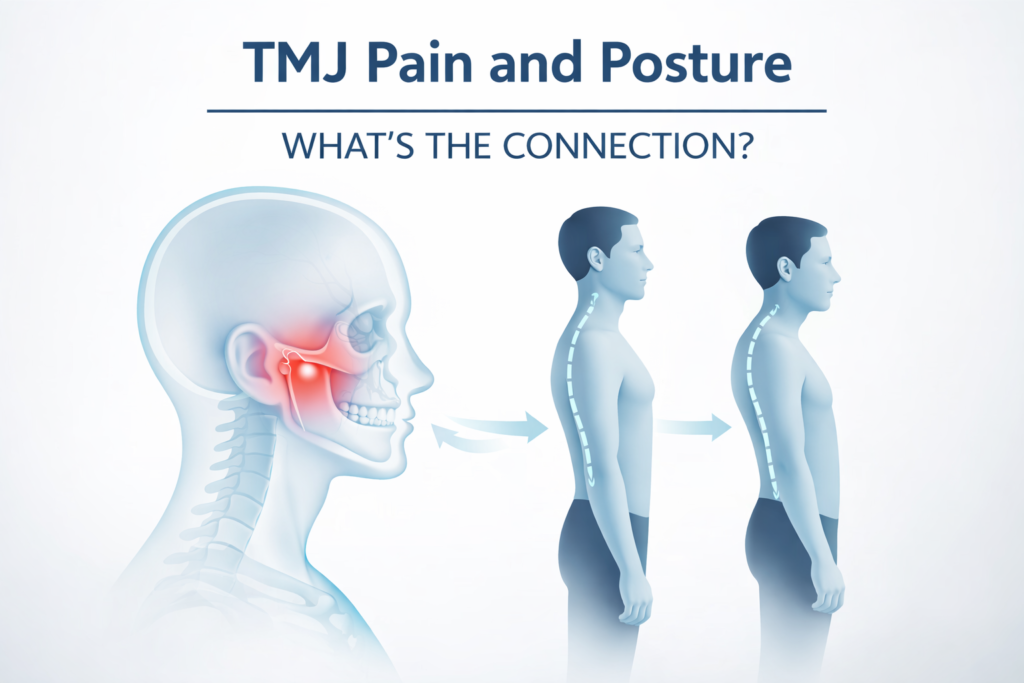
The jaw is closely connected to the muscles of the face, neck, and upper body. When the pressure on these muscles changes due to bite imbalance, it can influence how the head and neck are positioned.
In some individuals, this effect may extend beyond the jaw region. As muscle patterns adapt, there can be a chain effect influencing surrounding areas.
This may be associated with:
While posture is influenced by multiple factors, changes in jaw mechanics can be one contributing element in this chain.
When a tooth is missing, the surrounding teeth do not remain stationary. They tend to move toward the empty space in an attempt to re-establish contact.
This natural movement can affect how teeth align and how they come together during chewing or clenching. As a result, the bite may become less stable over time.
Common effects include:
As the bite becomes less balanced, the jaw joint—Temporomandibular Joint Disorder—may need to adapt to new movement patterns.
This adaptation can increase stress on the joint in some individuals and may contribute to symptoms such as:
It is important to understand that missing teeth do not directly cause TMJ disorders but can act as a contributing factor when combined with other conditions.
In cases where teeth are missing for a prolonged period, especially multiple teeth, there may be gradual changes in jaw support and oral space. As this support reduces, the overall size and functional space within the mouth may also decrease.
Since the jaw helps support the position of the tongue, a reduction in space can influence how the tongue rests inside the mouth. This can have an effect on the available airway space behind the jaw.
In some individuals, this may be linked to:
Conditions like Obstructive Sleep Apnea are associated with airway structure, but require a comprehensive evaluation. Tooth loss alone is not a direct cause.
The effects of missing teeth often develop slowly, which makes them easy to overlook. However, over time, these changes can become more significant and may affect multiple aspects of oral function.
Early evaluation allows for better planning and helps maintain stability within the system.
Timely care can help:
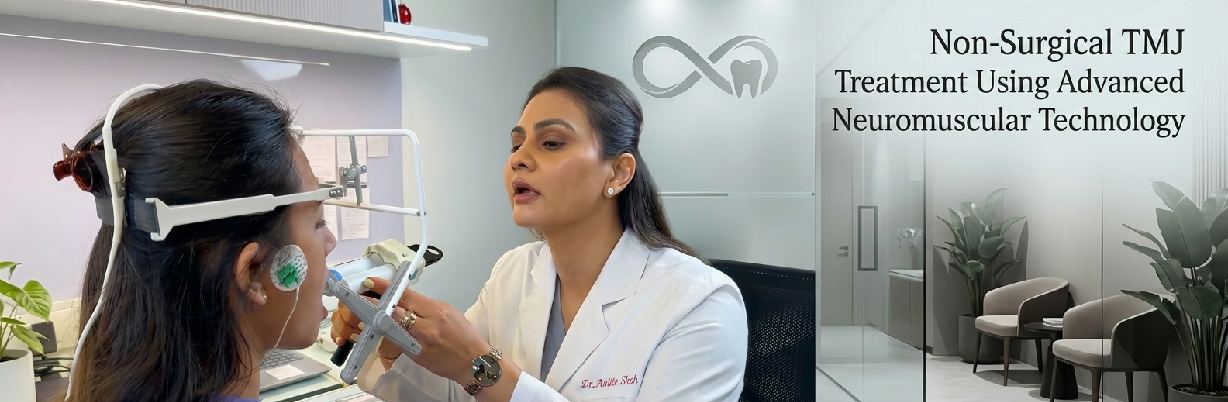
At TMJ, Tongue Tie & Sleep Institute, evaluation includes:
Treatment may involve:
If you have missing teeth, it is advisable to seek evaluation—especially if you begin to notice changes in function.
Consider consultation if you experience:
Missing teeth can influence bite balance, jaw function, and muscle activity over time. Changes in bite height can alter muscle pressure, which may extend beyond the jaw in some individuals. While not every case leads to complications, ignoring these changes can increase long-term risk.
Missing teeth may seem like a localized issue, but their impact can extend beyond the gap itself. Changes in bite height, tooth position, and force distribution can gradually influence how the jaw functions over time. In some individuals, this may also affect muscle patterns, posture alignment, and available oral space.
These changes are often slow and easy to overlook, which is why timely attention becomes important. A balanced, function-focused approach helps maintain stability within the oral system and supports long-term comfort.
Understanding these connections allows for better decision-making and helps prevent minor concerns from developing into more complex problems.
Yes, missing teeth can change how your upper and lower teeth come together. This may affect bite balance and how pressure is distributed during chewing.
Missing teeth may contribute to uneven pressure on the jaw, which can lead to discomfort or fatigue in some individuals over time.
Teeth naturally move toward empty spaces. When a tooth is missing, adjacent teeth may shift or tilt, which can affect alignment and bite function.
In certain cases, changes in jaw function may influence muscle patterns connected to the head and neck, which can impact posture over time.
In some individuals, structural changes in the mouth may influence tongue position and airway space, which can affect breathing patterns.
A timely evaluation and a functional treatment approach can help restore balance, maintain jaw health, and support long-term oral function.
WhatsApp us
Let Us Know How Can We Help You!
At our institute, we take pride in providing complete care for issues related to tongue tie and TMJ. To enhance your quality of life, we treat a range of ailments with state-of-the-art technology and expert care. If you’re searching for an effective tongue-tie operation option or a TMJ specialist in India, you have arrived at the right place.
A tongue tie operation or tongue tie surgery is a life-changing procedure that not only restores tongue mobility but also has a full body effect. While most people associate tongue tie with breastfeeding difficulties in infants, it can also affect speech, breathing, posture, dental health, and sleep patterns in older children and adults. By undergoing this minimally invasive fascia release procedure, patients often experience immediate improvements in functionality and overall well-being.
For individuals considering tongue tie surgery, the benefits are far-reaching:
The Temporomandibular Joint (TMJ) that is your Jaw Joint has a significant impact on one’s quality of life, as they leave the person feeling exhausted and irritable. It not only affects essential functions like chewing, speaking, yawning but also affects one’s posture, breathing and sleep. As a leading TMJ specialist in Mumbai, we offer comprehensive diagnostics and personalized treatment plans to address your unique needs.
Our approach to TMJ disorders combines state-of-the-art technology with evidence-based practices. We specialize in:
Many patients are unaware that tongue tie and TMJ disorders can also be interconnected. A restricted tongue can lead to compensatory behaviors that strain the jaw, progressing towards TMJ issues.
For newborns, a tongue tie operation is critical in supporting breastfeeding. Infants struggling to latch or feed effectively benefit greatly from a quick and safe procedure.
Adults often seek tongue tie operations for relief from symptoms such as speech impediments, TMJ pain, or even snoring. Combining tongue tie surgery with myofunctional therapy ensures optimal results.
An integral part of our treatment protocols is myofunctional therapy. Exercises used in this therapy help to strengthen and coordinate the muscles of the tongue and face. Whether you’re undergoing a tongue tie operation or being treated for TMJ issues, myofunctional therapy plays a pivotal role in ensuring lasting outcomes. Expertise and complete treatment are essential for treating TMJ issues or tongue tie. Whether you’re searching for the best tongue tie surgery options or a trusted TMJ specialist in Mumbai, we ensure personalized care and transformative results. Don’t let these conditions stop you—reach out to us today to book your consultation and start your journey toward better health and wellness.