





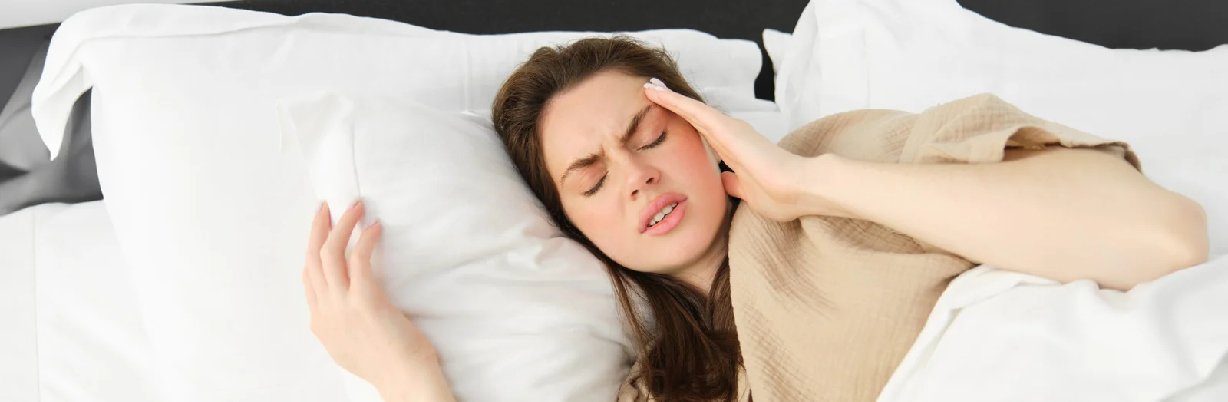
Do you wake up with jaw pain, notice your teeth wearing flat, or experience unexplained morning headaches? You might be dealing with sleep bruxism, involuntary teeth grinding that happens while you sleep. For millions of people worldwide, including many in India, this condition doesn’t just damage teeth; it often triggers or worsens temporomandibular joint (TMJ) disorder, creating a painful cycle affecting sleep quality and daily life.
The connection between sleep bruxism and TMJ dysfunction is scientifically well-established. When left untreated, nighttime grinding forces the jaw joint into unnatural positions, causing inflammation, muscle tension, and progressive joint damage.
The reality? With proper diagnosis and evidence-based TMJ disorder treatment, you can break this cycle and restore comfortable sleep and pain-free jaw function.
This comprehensive guide explores the sleep bruxism and TMJ relationship, explains why nighttime clenching jaw develops, and reveals the most effective treatment options available, including advanced solutions like GNM orthotics and myofunctional therapy. Whether you’re experiencing the first signs of jaw discomfort or dealing with chronic bruxism-related pain, understanding your condition is the first step toward lasting relief.
Sleep bruxism is involuntary, rhythmic grinding, clenching, or gnashing of teeth during sleep. Unlike daytime teeth grinding where you consciously feel what’s happening, sleep bruxism occurs without awareness. You might not realize it’s occurring until a sleep partner mentions hearing grinding sounds, your dentist notices tooth wear, or you experience symptoms like morning jaw soreness, headaches, or ear discomfort.
Sleep bruxism affects a substantial portion of the population. Current research shows approximately 21% of the general adult population experiences sleep bruxism, while another 23% grind their teeth while awake. Certain groups show dramatically higher rates: high-tech workers experience 44.8% prevalence (likely stress-related), dental students 28.5%, and most notably, 50% of people with TMJ disorder also have sleep bruxism. This last statistic reveals the critical connection between these conditions.
Identifying why you’re clenching your jaw at night is essential for effective teeth grinding treatment. Research has identified multiple contributing factors:
1.Psychological Stress and Anxiety
Stress is perhaps the strongest documented trigger for sleep bruxism. Scientific studies reveal that psychological stress is significantly more prevalent in people with TMJ disorder and bruxism (45.9%) compared to those without bruxism (21.4%). When you experience stress during the day, your body remains physiologically activated during sleep, causing jaw muscles to contract involuntarily. Elevated cortisol and adrenocorticotropic hormone (ACTH), your body’s stress chemicals—directly correlate with bruxism episodes.
2.Sleep Quality Issues and Sleep Apnea
Poor sleep quality frequently accompanies bruxism. Research shows 45.9% of TMJ disorder patients with bruxism experience significant sleep problems compared to 23.8% without bruxism. This suggests bidirectional relationship: bruxism disrupts sleep, and poor sleep worsens bruxism. Sleep apnea presents a particular connection, approximately 25% of sleep apnea patients experience jaw clenching. During apnea events, your brain triggers arousal responses that activate jaw muscles, causing grinding and clenching.
3.Bite Misalignment (Malocclusion)
When your teeth don’t meet properly when you close your mouth, your jaw must work harder to achieve a functional bite. This muscular strain often triggers compensatory grinding, especially during the vulnerable sleep period when muscles are less able to protect the joint.
4.Lifestyle Factors
Caffeine consumption, alcohol use, nicotine, and stimulating medications all increase bruxism severity by elevating muscle tension and alertness. These substances keep your nervous system partially activated during sleep, making grinding more likely.
5.Muscle Tension and TMJ Dysfunction
Existing TMJ problems create a self-perpetuating cycle. When your jaw joint is already inflamed or dysfunctional, the associated muscle tension and pain increase the likelihood of bruxism. The condition worsens the condition,TMJ dysfunction triggers bruxism, which further damages the joint.
Understanding How Bruxism Causes TMJ Problems
Sleep bruxism generates tremendous grinding forces on the temporomandibular joint. Research using correlation analysis shows a strong relationship between bruxism and TMJ dysfunction, with correlation coefficients of 0.48-0.52 between bruxism and both TMJ pain and joint noise. To put this in perspective, these forces during grinding can reach 10-20 times greater than normal chewing force.
When repeated night after night, these excessive forces cause multiple problems:
1.Joint Inflammation and Cartilage Damage
The continuous grinding irritates the joint lining, triggering inflammation. This creates the clicking, popping, or grinding sounds many bruxism sufferers experience. Over months and years, this inflammation can damage the protective cartilage coating the joint surfaces.
2.Disc Displacement
The cushioning disc within the TMJ can shift from its optimal position due to excessive grinding forces. This leads to restricted jaw movement, locking sensations where your jaw temporarily gets stuck, and increased pain, TMJ disorder symptoms.
3.Muscle Dysfunction and Trigger Points
Bruxism forces the jaw’s masseter, temporalis, and pterygoid muscles to work excessively. Over time, these overworked muscles develop tight knots called trigger points,areas of intense tension that radiate pain throughout your jaw, face, neck, and shoulders.
4. Progressive Tooth Wear
While not directly damaging the joint, the flattening and wearing of teeth from grinding alters your bite mechanics. This changed bite pattern creates additional TMJ stress, perpetuating the harmful cycle.
If you experience jaw pain during sleep or wake with jaw discomfort, certain symptoms indicate TMJ involvement rather than pure bruxism:
When multiple symptoms appear together, evaluation by a TMJ specialist India becomes important to confirm diagnosis and guide appropriate treatment.
Scientific Evidence: Stress as a Primary Bruxism Causes
The relationship between stress and bruxism is not theoretical, it’s scientifically measurable. Research demonstrates that psychological stress is significantly more prevalent in TMJ disorder patients with bruxism (45.9%) compared to those without bruxism (21.4%). This nearly 2.2-fold difference indicates stress plays a substantial causative role.
The mechanism involves your body’s central stress response system. During stress, your hypothalamic-pituitary-adrenal (HPA) axis releases cortisol and adrenocorticotropic hormone. These stress hormones increase muscle tension throughout your body, including your jaw muscles, making grinding more likely during sleep.
Additionally, psychological stress impairs sleep quality,stress keeps your nervous system in a heightened state, fragmenting sleep and increasing arousal events that trigger bruxism episodes.
Breaking the Stress-Bruxism-TMJ Cycle
Understanding this connection reveals why effective TMJ disorder treatment must address psychological factors. While mechanical solutions like night guards and GNM orthotics provide immediate symptom relief, addressing underlying stress dramatically improves long-term outcomes.
Evidence-based stress management strategies include:
1.Conservative TMJ Pain Treatment Approaches
Oral Appliances/GNM Orthotics/ Night Guards
Custom-made night guards represent the most common and accessible teeth grinding treatment. Unlike over-the-counter guards, professional appliances are precisely fabricated to your specific bite and jaw anatomy. They function by:
2.Physical Therapy and Therapeutic Exercises
Targeted exercises address the muscular component of TMJ dysfunction and bruxism:
3.Stress Management and Behavioral Modification
Since stress significantly contributes to bruxism, addressing psychological factors is essential:
4. Medication Management
Carefully selected medications can support other interventions:
Medications work best as temporary support while other interventions take effect.
GNM Orthotics: Revolutionary Neuromuscular Approach
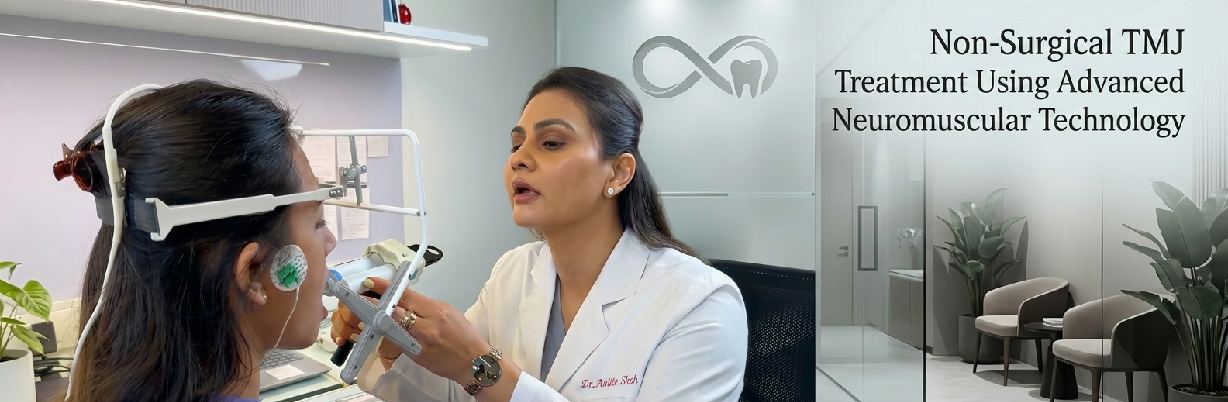
Gneuromuscular (GNM) orthotics represent the most advanced TMJ specialist treatment available. Unlike standard night guards, GNM orthotics incorporate sophisticated neuromuscular principles to achieve optimal jaw positioning. The treatment process involves:
Research demonstrates GNM orthotics achieve 80-90% symptom relief within 3-6 weeks, significantly more effective than standard appliances. Benefits include:
Myofunctional Therapy: Functional and Muscular Rehabilitation
Myofunctional therapy addresses the muscular and functional components of TMJ disorder and bruxism through specialized exercises targeting:
Combined Multimodal Approach
Research conclusively shows that combining multiple interventions provides superior outcomes. The most effective strategy addresses every dimension:
Below is evidence-based comparison of different approaches to TMJ pain treatment and sleep bruxism treatment:
| Treatment Type | Symptom Relief | Time to Results | Patient Compliance | Best For |
| Oral Appliances (Night Guard) | 20-30% | 2-4 weeks | High | Primary bruxism treatment |
| Physical Therapy & Exercises | 60-75% | 4-8 weeks | Moderate | Muscle tension and dysfunction |
| Stress Management | 50-65% | 3-6 weeks | Low-Moderate | Anxiety-related bruxism |
| GNM Orthotics | 80-90% | 3-6 weeks | High | Complex TMJ cases |
| Myofunctional Therapy | 70-85% | 6-12 weeks | Moderate | Long-term stability |
| Combined Approach | 85-95% | 8-16 weeks | Moderate-High | Comprehensive management |
Research reveals important patterns about who experiences sleep bruxism:
Sleep Bruxism Prevalence by Population:
Key Insights:
Approximately one in five people experience sleep bruxism in the general population. However, if you have diagnosed TMJ disorder, your risk increases dramatically—one in two TMJ patients grind their teeth.
High-tech workers show notably elevated prevalence at 44.8%, likely reflecting work-related stress and prolonged screen time creating postural problems. The stress-bruxism connection is reinforced by dental students’ 28.5% prevalence, reflecting academic pressure.
If you fall into any high-risk category, professional evaluation becomes especially important for early intervention before TMJ damage develops.
Complementing professional treatment with lifestyle modifications significantly enhances results:
Dr. Ankita Shah brings specialized expertise in identifying root causes and developing personalized treatment plans combining GNM orthotics, myofunctional therapy, physical rehabilitation, and stress management. Whether you’re experiencing early signs of bruxism or dealing with chronic TMJ pain from years of grinding, professional evaluation provides crucial insight into your specific situation.
Schedule your comprehensive TMJ evaluation today. During your consultation, you’ll receive thorough examination, advanced diagnostic assessment, clear diagnosis explanation, and a personalized treatment plan addressing your specific condition. Your journey toward comfortable sleep, healthy teeth, and pain-free jaw function begins with one appointment.
Contact Dr. Ankita Shah’s clinic now to book your consultation. Discover how personalized TMJ disorder treatment can eliminate nighttime jaw clenching and restore the quality of sleep and daily function you deserve.
Sleep bruxism generates enormous grinding forces,10-20 times greater than normal chewing force. Research shows strong correlation (r=0.48-0.52) between bruxism and TMJ dysfunction. These repeated forces irritate joint structures, cause disc displacement from optimal position, and create muscle dysfunction. When bruxism continues untreated, TMJ disorder typically develops within months to years of uncontrolled grinding.
Standard night guards are flat protective appliances acting like a cushion but not a real jaw and joint positioning device, providing 20-30% symptom relief. GNM orthotics use sophisticated TENS and jaw tracking technology to position your jaw in its precise optimal neuromuscular position, achieving 80-90% relief. GNM addresses underlying neuromuscular dysfunction, not just mechanical protection, providing faster relief and superior long-term outcomes.
They're often interconnected but can occur independently. Bruxism can cause or worsen TMJ disorder, and TMJ dysfunction can trigger bruxism,it's bidirectional. Research shows 50% of TMJ disorder patients experience concurrent bruxism. You might have pure bruxism without TMJ disorder, or pure TMJ disorder without bruxism. Proper diagnosis determines which conditions you have, guiding appropriate treatment selection.
Yes, evidence strongly supports this. Research using electromyography shows myofunctional therapy significantly reduces masseter muscle activity—the primary muscles involved in bruxism. Patients report reduced grinding episodes and improved facial pain. Combined with mechanical support, myofunctional therapy prevents appliance side effects and improves overall outcomes substantially.
Timeline varies by treatment type. Oral appliances show results within 2-4 weeks. GNM orthotics typically provide relief within 3-6 weeks. Physical therapy and stress management require 4-8 weeks for noticeable improvement. Myofunctional therapy benefits develop over 6-12 weeks. Combined approaches show progressive improvement over 8-16 weeks, with continuing benefits as exercises become automatic and muscles permanently adapt.
Stress is scientifically documented as a primary bruxism cause, not just theory. Research demonstrates psychological stress is significantly more prevalent in TMJ disorder patients with bruxism (45.9%) versus without (21.4%). Stress hormones like cortisol and ACTH are elevated in sleep bruxism patients. This is measurable physiological reality, confirming effective TMJ disorder treatment must address stress management.
TMJ specialists have advanced training specifically in temporomandibular disorders, neuromuscular dentistry, and sleep-related conditions. They can perform sophisticated diagnostics (EMG, jaw tracking, TENS analysis), interpret complex TMJ imaging, and provide specialized treatments like GNM orthotics and myofunctional therapy. Regular dentists typically provide basic night guards but often lack expertise for complex cases, making specialist evaluation important for comprehensive care.
Often yes. Since one in four sleep apnea patients show bruxism, and conditions share arousal mechanisms, treating sleep apnea frequently reduces or eliminates bruxism. However, not all bruxism resolves with sleep apnea treatment alone, especially if stress or other factors are primary contributors. This is why comprehensive evaluation addressing all contributing factors simultaneously provides best results.
WhatsApp us
Let Us Know How Can We Help You!
At our institute, we take pride in providing complete care for issues related to tongue tie and TMJ. To enhance your quality of life, we treat a range of ailments with state-of-the-art technology and expert care. If you’re searching for an effective tongue-tie operation option or a TMJ specialist in India, you have arrived at the right place.
A tongue tie operation or tongue tie surgery is a life-changing procedure that not only restores tongue mobility but also has a full body effect. While most people associate tongue tie with breastfeeding difficulties in infants, it can also affect speech, breathing, posture, dental health, and sleep patterns in older children and adults. By undergoing this minimally invasive fascia release procedure, patients often experience immediate improvements in functionality and overall well-being.
For individuals considering tongue tie surgery, the benefits are far-reaching:
The Temporomandibular Joint (TMJ) that is your Jaw Joint has a significant impact on one’s quality of life, as they leave the person feeling exhausted and irritable. It not only affects essential functions like chewing, speaking, yawning but also affects one’s posture, breathing and sleep. As a leading TMJ specialist in Mumbai, we offer comprehensive diagnostics and personalized treatment plans to address your unique needs.
Our approach to TMJ disorders combines state-of-the-art technology with evidence-based practices. We specialize in:
Many patients are unaware that tongue tie and TMJ disorders can also be interconnected. A restricted tongue can lead to compensatory behaviors that strain the jaw, progressing towards TMJ issues.
For newborns, a tongue tie operation is critical in supporting breastfeeding. Infants struggling to latch or feed effectively benefit greatly from a quick and safe procedure.
Adults often seek tongue tie operations for relief from symptoms such as speech impediments, TMJ pain, or even snoring. Combining tongue tie surgery with myofunctional therapy ensures optimal results.
An integral part of our treatment protocols is myofunctional therapy. Exercises used in this therapy help to strengthen and coordinate the muscles of the tongue and face. Whether you’re undergoing a tongue tie operation or being treated for TMJ issues, myofunctional therapy plays a pivotal role in ensuring lasting outcomes. Expertise and complete treatment are essential for treating TMJ issues or tongue tie. Whether you’re searching for the best tongue tie surgery options or a trusted TMJ specialist in Mumbai, we ensure personalized care and transformative results. Don’t let these conditions stop you—reach out to us today to book your consultation and start your journey toward better health and wellness.