



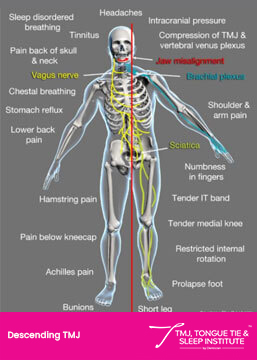

TMJ Dysfunction: The Hidden Cause of Neck and Shoulder Pain
By Dr. Ankita Shah verified expert in TMJ Share this Article Let me ask you something. Have you been dealing with nagging neck pain or that stubborn tightness across your shoulders-the kind that no amount of stretching, massaging, or resting seems to fix? You’ve probably tried physiotherapy. Maybe you’ve adjusted your pillow, your chair, your […]
Airway Orthodontic Treatment: Signs, Symptoms & Solutions
By Dr. Ankita Shah verified expert in TMJ Share this Article Breathing seems effortless -until it isn’t. As an airway-focused dentist, I see patients every day who have been unknowingly struggling with airway-related issues for years, sometimes decades. These aren’t just breathing problems. They affect sleep, facial development, difficulty focusing, remembering, and thinking clearly , […]
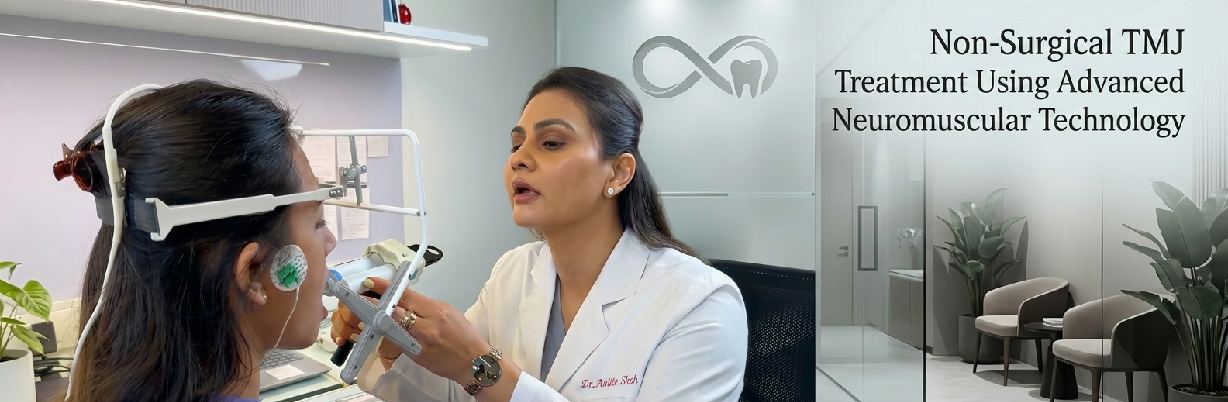
Non-Surgical TMJ Treatment: Advanced Gnatho Neuromuscular Technology
By Dr. Ankita Shah verified expert in TMJ Share this Article As a TMJ Expert and airway-focused dentist, Dr. Ankita Shah frequently treats TMJ patients who continue experiencing jaw pain, headaches, and muscle tension despite using night guards and pain medications for years. Advanced muscle stimulation technology offers a more precise gnatho neuromuscular approach by […]

Digital & At-Home TMJ Diagnosis in India: The Rise of Virtual Jaw Rehabilitation
By Dr. Ankita Shah verified expert in TMJ Share this Article As a TMJ Expert & an airway-focused orthodontist, one of the most significant shifts I have witnessed in recent years is how patients are beginning to take their jaw health into their own hands-and how technology is making that possible. In India, Dubai & […]

AI-Based TMJ Diagnosis and How 3D CBCT Scans Improve Treatment Accuracy
By Dr. Ankita Shah verified expert in TMJ Share this Article Many patients with TMJ disorders spend months or even years treating headaches, ear pain, facial tension, or jaw discomfort without getting a clear answer about the real cause. Modern TMJ diagnosis is no longer based only on symptoms. Advanced technologies like 3D CBCT scans, […]

TMJ Pain in Athletes: Causes, Treatment & Night Guard Benefits
By Dr. Ankita Shah verified expert in TMJ Share this Article Athletes and fitness enthusiasts push their bodies hard. This also places significant strain on the jaw. Clenching during lifting, impact to the face in contact sports, long hours of training, forward-head posture, and high stress can overload the temporomandibular joint (TMJ). When this joint […]

Can Tonsil and Adenoid Removal Affect a Child’s Immunity?
By Dr. Ankita Shah verified expert in TMJ Share this Article Tonsil and adenoid removal does not weaken a child’s long-term immunity. When these tissues are enlarged or infected, removing them can actually enhance breathing, improve sleep patterns, and support better overall well-being. What Function Do Tonsils and Adenoids Serve in a Child’s Immune System? […]

Sleep Apnea and TMJ: The Nighttime Jaw-Grinding Cycle Explained
By Dr. Ankita Shah verified expert in TMJ Share this Article Jaw grinding during sleep is often a protective response to breathing obstruction caused by sleep apnea, where the body uses jaw movement to reopen the airway. This repeated activation can lead to muscle strain, clenching, and eventually TMJ-related symptoms if not addressed properly. Why […]

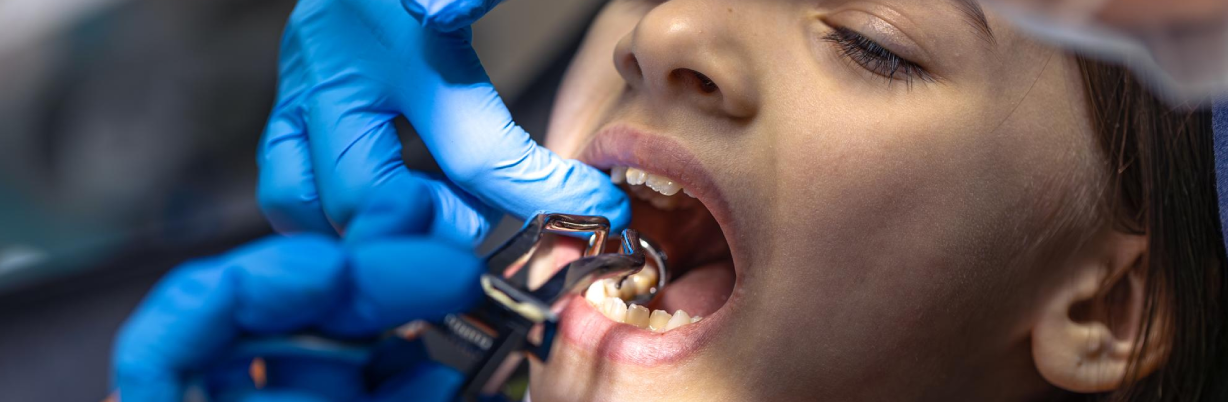
Do Wisdom Tooth Extractions Cause TMJ?
By Dr. Ankita Shah verified expert in TMJ Share this Article Wisdom tooth extraction does not directly cause TMJ disorders. Some patients may experience temporary jaw discomfort due to muscle strain during the procedure, but this typically resolves within a few days to weeks and does not lead to long-term joint problems. Wisdom tooth extraction […]

How Missing Teeth Affect Jaw, Posture, and Airway
By Dr. Ankita Shah verified expert in TMJ Share this Article Missing teeth can gradually change your bite height, affecting how your jaw functions and how muscles work. Over time, this may influence posture patterns and even breathing space in certain cases. Early evaluation helps maintain balance and prevent Meta Title -Missing Teeth & TMJ […]