



TONGUE TIES & TMD
How Are Tongue tie and TMJ Disorders Related?
Tongue Tie Release
temporomandibular
disorder treatment
WHAT IS A TONGUE TIE?
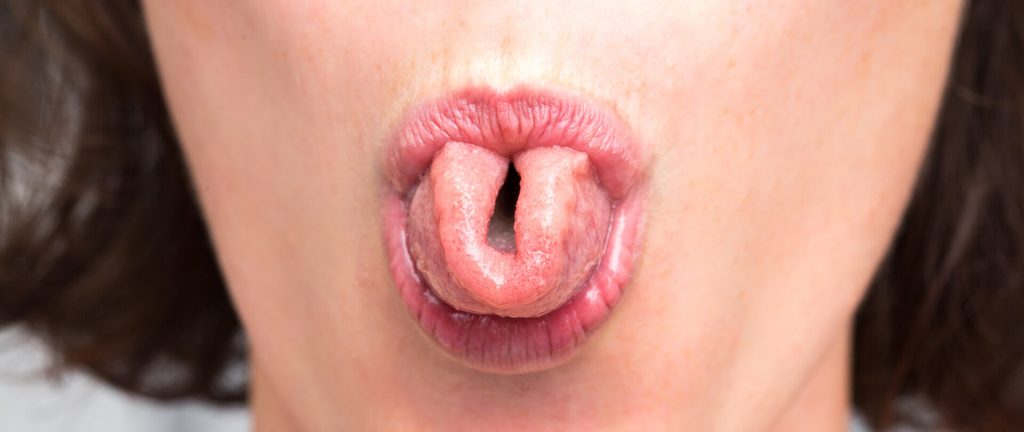
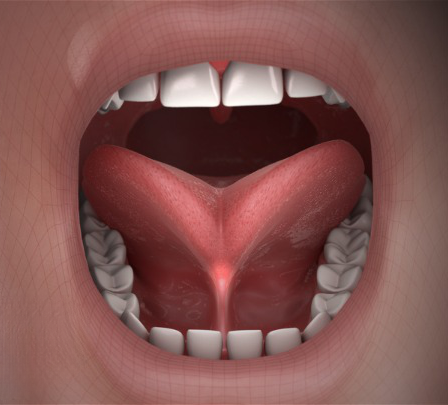
Tongue tie, commonly referred to as “Ankyloglossia”, is a string of tissue called the frenulum that can restrict the movements of the tongue if it is shorter and thicker than normal. The tongue can be anterior as well as posterior. There are different grades of fascial restriction and tongue functionality that are essential for breastfeeding, sucking, swallowing, eating, drinking, chewing, breathing, speech, jaw growth, posture and digestion.
How Are Tongue Tie And TMJ disorders Related?
The tongue performs many functions, including keeping the airway open (in compensation to which one starts mouth breathing, snoring, clenching and grinding their teeth), assisting with chewing, swallowing, and most importantly, facial and jaw development, speech and digestion. An open mouth, incorrect bite, clenching and grinding or constant compensations of the muscles while swallowing and speaking can result in Orofacial pain and TMJ dysfunction.
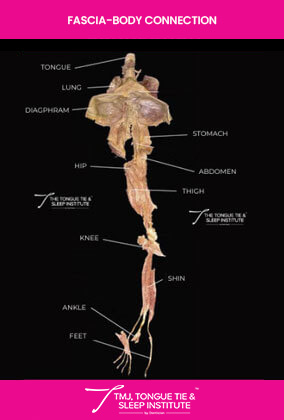
HOW IS THE TONGUE CONNECTED TO OUR BODY?
Headaches, shoulder, and neck pain commonly attributed to TMD or clenching or bruxing have been relieved by releasing the untreated tongue-tie. The ‘tied’ tongue can also lead to sleep-disordered breathing, leading to bruxing, as well as pain in the neck or upper back. Some adults also experience digestive and reflux problems, tightness in the chest, bow feet, tingling in calves and feet.
DIAGNOSING A TONGUE TIE
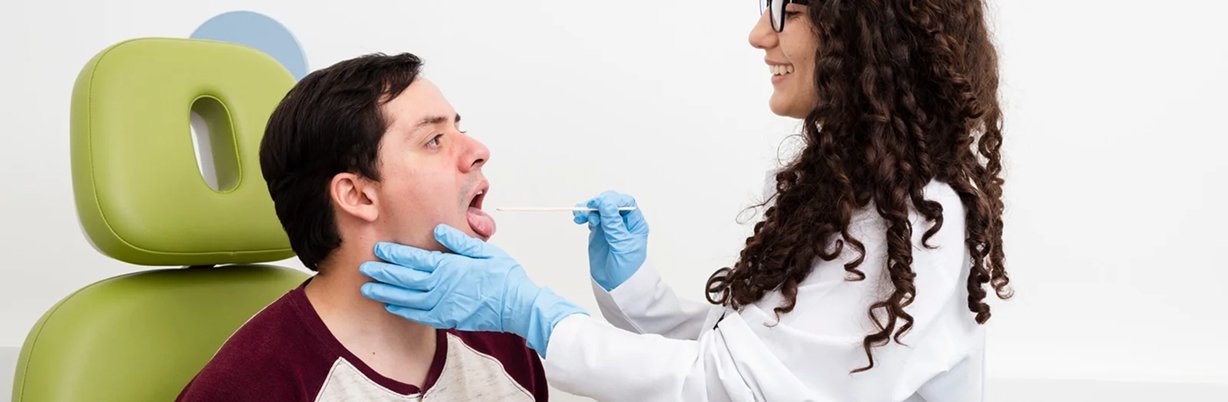
There are various related issues, such as airway complications, posture challenges, and sleep disturbances, that may arise due to tongue restriction. In certain cases, tongue ties may be found when identifying the causes of TMJ pain areas/ orofacial pain, clenching of teeth, disturbed sleep and breathing and poorly developed jaw growth and teeth alignment. It is also essential to note that a tongue tie cannot be self-diagnosed. A comprehensive functional assessment by a specialist of the tongue is essential to diagnose a tongue tie.
TREATING A TONGUE TIE
In our practice, we use the Functional Frenuloplasty procedure to release tongue ties for toddlers, children and adults. This approach has been adapted from Dr. Soroush Zaghi of The Breathe Institute, Los Angeles, who is a globally renowned ENT & sleep surgeon who has established this functional approach to tongue ties.
The success of our practice is based on our capability to deliver a comprehensive and successful release of tethered oral tissues. We achieve this success by implementing by multidisciplinary protocol that integrates myofunctional therapy (and also physical therapy in some instances) before, during, and after surgery. Our entire togue tie release procedure relies on precision, ensuring appropriate extent of tissue is released for maximum patient relief, neither excessive nor too little. Additionally, at TMJ, Tongue Tie & Sleep Institute we also do understand that TMJ patients require special care when opening their mouths for prolonged periods of time and have adapted the procedure to ensure minimal discomfort.
Undergoing Oral Motor Rehabilitation and Physical Therapy after your procedure is crucial to maintaining the released fascia and making sure the body and tongue can be re-trained on how to maintain this muscle- balance -posture. Our patients have also reported less TMJ pain after Myofunctional Therapy for their tongue ties.
Frequently Asked Questions
Temporomandibular Joint (TMJ) pain can occur in various areas. The common TMJ pain areas, where individuals are likely to experience pain and discomfort, include the jaw, face, head, neck, shoulder, ears, and teeth.
Note- The TMJ pain and its intensity may vary from patient to patient. Not everyone will experience TMJ pain in all of these areas. Hence, it is important to seek timely intervention from a TMJ specialist.
Seek Temporomandibular Disorder Treatment
No, the procedure of Functional Frenuloplasty is painless as we use anesthesia to numb the area to be treated. In certain cases, patients might experience mild discomfort. However, the procedure of functional frenuloplasty is mostly painless.
Diagnosing a tongue tie on your own can be difficult, as it requires a comprehensive assessment of the tongue's function. It is always best to see a tongue-tie specialist for a proper diagnosis and treatment.
OUR NON-INVASIVE SOLUTIONS FOR TMJ DISORDER & JAW
PAIN:
Blogs
TMJ Pain in Athletes: Causes, Treatment & Night Guard Benefits
By Dr. Ankita Shah verified expert in TMJ Share this Article Athletes and fitness enthusiasts push their bodies hard. This also places significant strain on the jaw. Clenching during lifting, impact to the face in contact sports, long hours of training, forward-head posture, and high stress can overload the temporomandibular joint (TMJ). When this joint […]
Can Tonsil and Adenoid Removal Affect a Child’s Immunity?
By Dr. Ankita Shah verified expert in TMJ Share this Article Tonsil and adenoid removal does not weaken a child’s long-term immunity. When these tissues are enlarged or infected, removing them can actually enhance breathing, improve sleep patterns, and support better overall well-being. What Function Do Tonsils and Adenoids Serve in a Child’s Immune System? […]

Sleep Apnea and TMJ: The Nighttime Jaw-Grinding Cycle Explained
By Dr. Ankita Shah verified expert in TMJ Share this Article Jaw grinding during sleep is often a protective response to breathing obstruction caused by sleep apnea, where the body uses jaw movement to reopen the airway. This repeated activation can lead to muscle strain, clenching, and eventually TMJ-related symptoms if not addressed properly. Why […]

Do Wisdom Tooth Extractions Cause TMJ?
By Dr. Ankita Shah verified expert in TMJ Share this Article Wisdom tooth extraction does not directly cause TMJ disorders. Some patients may experience temporary jaw discomfort due to muscle strain during the procedure, but this typically resolves within a few days to weeks and does not lead to long-term joint problems. Wisdom tooth extraction […]

How Missing Teeth Affect Jaw, Posture, and Airway
By Dr. Ankita Shah verified expert in TMJ Share this Article Missing teeth can gradually change your bite height, affecting how your jaw functions and how muscles work. Over time, this may influence posture patterns and even breathing space in certain cases. Early evaluation helps maintain balance and prevent Meta Title -Missing Teeth & TMJ […]

GNM Sleep Appliance: Fix TMJ, Snoring, and Sleep Apnea Holistically
By Dr. Ankita Shah verified expert in TMJ Share this Article If you are reading this, chances are you or someone you love is struggling with a restless night. Maybe your partner has nudged you for the hundredth time asking you to “please stop snoring.” Perhaps you wake up every morning with a dull headache, […]
Tonsils, Adenoids, and Airway Orthodontics: Unlocking Better Breathing in Kids
By Dr. Ankita Shah verified expert in TMJ Share this Article As a TMJ and airway specialist in Mumbai, one of the most common concerns parents bring to me is this: “My child is always tired, snores at night, or breathes through the mouth, is something wrong?” My answer is almost always the same: yes, […]
Premolar Extractions in Braces: Do They Cause TMJ Problems?
By Dr. Ankita Shah verified expert in TMJ Share this Article Orthodontic treatment has evolved significantly over the years, yet one topic continues to raise questions among patients and clinicians alike — premolar extraction braces. Many individuals undergoing braces are advised to remove premolars to create space for alignment. But an important concern often follows: […]
TMJ Pain After Braces? Why Orthodontics Can Trigger Jaw Disorders
By Dr. Ankita Shah verified expert in TMJ Share this Article Orthodontic treatment is often associated with straight teeth and a confident smile. However, some patients report unexpected symptoms after completing braces—jaw discomfort, clicking sounds, headaches, or even difficulty chewing. This raises an important clinical question: can braces contribute to jaw joint problems? The answer […]
Is a Night Guard Enough for Teeth Grinding Treatment?
By Dr. Ankita Shah verified expert in TMJ Share this Article A night guard is like a cushion that protects your teeth from grinding damage but does not treat the root cause of bruxism. If your grinding is linked to TMJ disorder, stress, sleep apnea, or jaw misalignment, a night guard alone will not stop […]